


Home › NONOX World
Knowledge base
NONOX World
Practical expertise — stainless and acid-resistant fastener articles, materials know-how and hands-on guides.
- Building hardware (8)
- Catalogues (2)
- Chains (3)
- Fasteners (27)
- Fastening technology (5)
- Galling (4)
- Index of our articles (1)
- Magazine (9)
- Materials know-how (19)
- Next-generation wood screws (11)
- Pipe fittings, fittings (4)
- Technical chemicals (4)
- Tools (13)
- WEH quick couplings (7)
- Wire ropes (8)
-
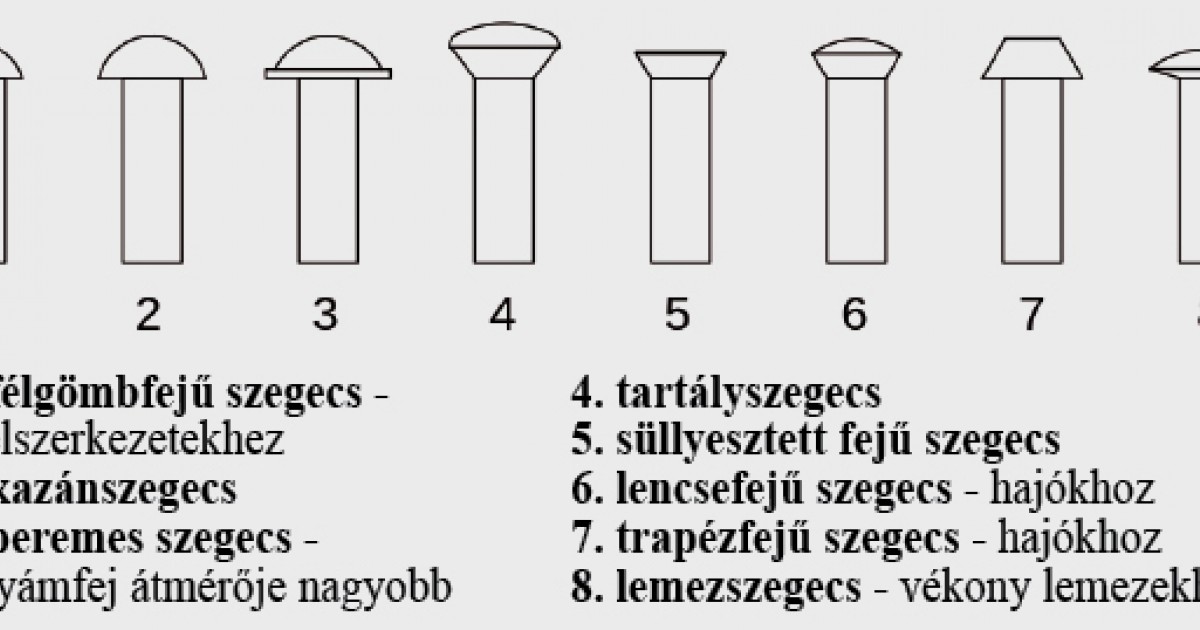
The history of riveting, or how we stitched metal together before welding
Read more →: The history of riveting, or how we stitched metal together before weldingThe rivet joined metal before welding took over: bridges, boilers, ships and building frames. How the factory head, the glowing rivet and the blacksmith's catching funnel worked together, plus the special rivets still in use today, from tubular and POP rivets to drive chains and aircraft skins.
-
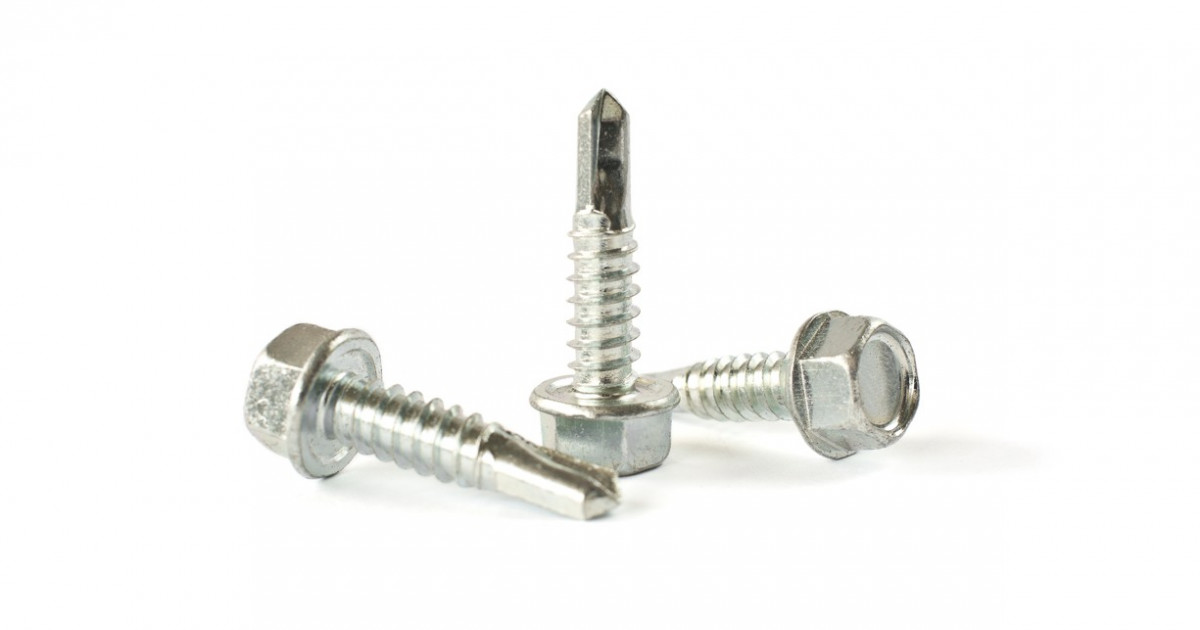
Bi-metal*, self-drilling, NONOX self-tapping screws
Read more →: Bi-metal*, self-drilling, NONOX self-tapping screwsIdeal for mounting steel or aluminium profiles and sandwich panels onto steel or aluminium structures, with no pre-drilling. An A2 stainless body friction-welded to a hardened steel drill point, a flanged hexagon head, and a captive conical spring washer with a vulcanised EPDM seal that keeps the fixing watertight.
-
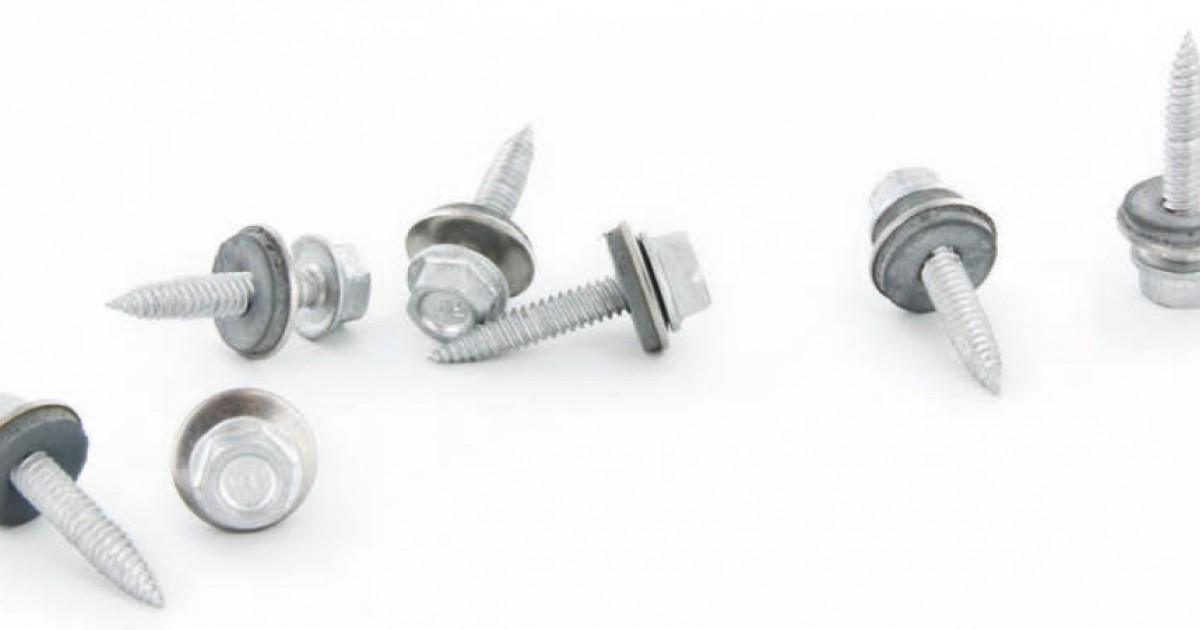
Self-drilling bi-metal*, NONOX self-tapping screw, for thin sheets
Read more →: Self-drilling bi-metal*, NONOX self-tapping screw, for thin sheetsDrilling, thread forming and fastening in one step, even into stainless sheet. The bi-metal NONOX self-tapping screw pairs an A2 stainless body with a friction-welded hardened steel point that forms the thread without cutting chips, giving 50% more holding force and needing fewer fixing points.
-
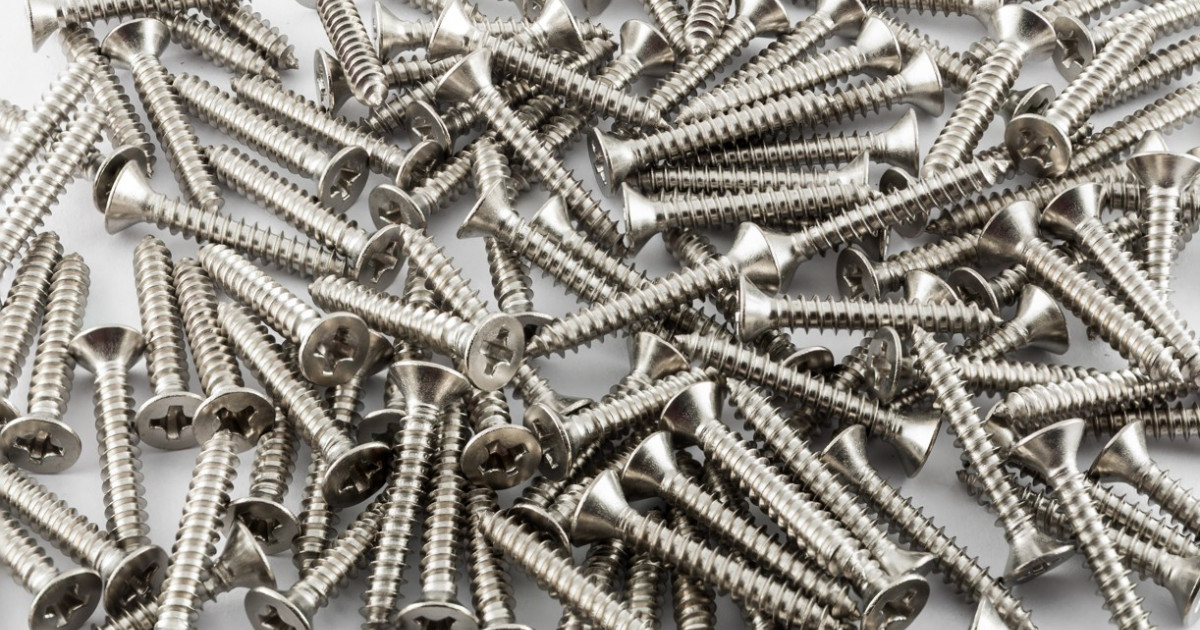
Guide to determining the pre-drilling needed for self-tapping screws
Read more →: Guide to determining the pre-drilling needed for self-tapping screwsThe diameter of the pre-drilling always falls between the core diameter and the nominal diameter of the screw. Sheet thickness, sheet material and the drilling technology all shift it. Always carry out a trial before beginning mass production.
-
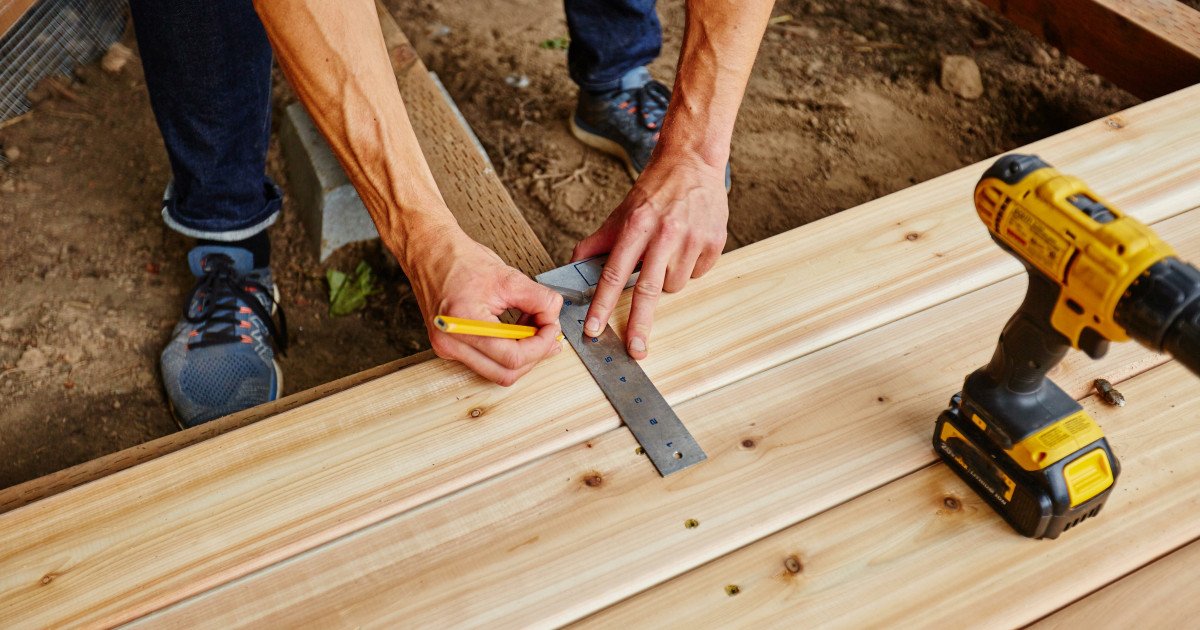
NONOX decking screw (DIN 7505 type A countersunk head Torx decking screw)
Read more →: NONOX decking screw (DIN 7505 type A countersunk head Torx decking screw)The boards can be fixed to the joist with simple wood screws too, but for a long-term solution use screws developed expressly for decking. Hardened martensitic stainless steel, self-tapping point, wavy thread, hole-enlarging rib and a Torx drive.
-
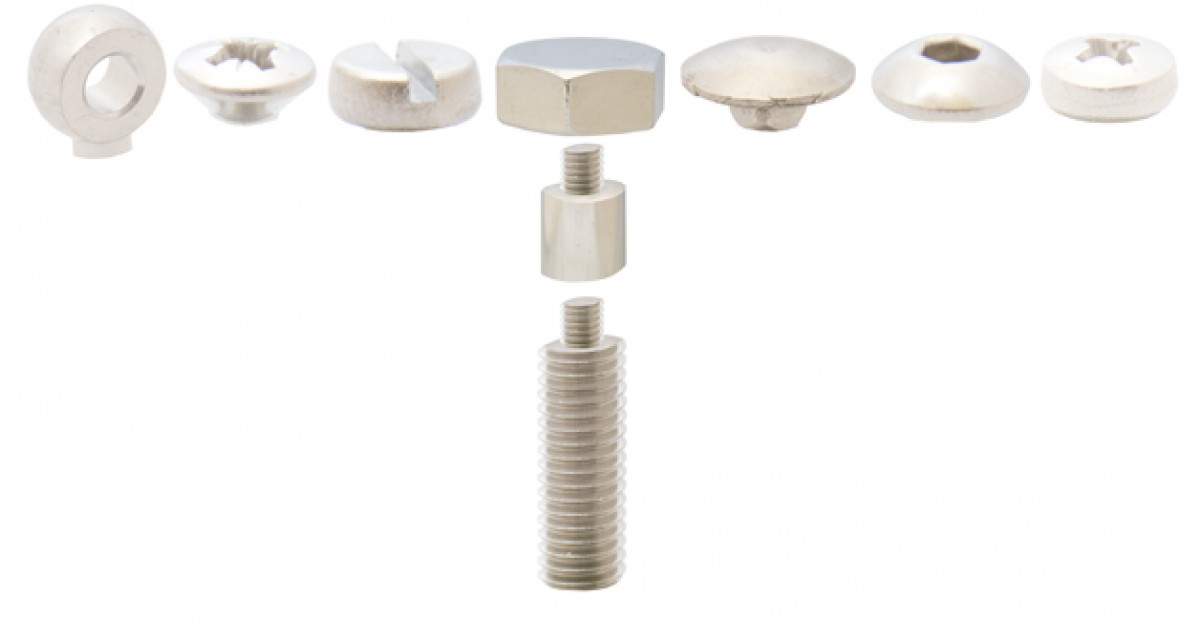
What screws should I take to the Moon?
Read more →: What screws should I take to the Moon?Whether civilisations unknown to us exist is not a question for me. Where there are components, they must be fixed to one another - so screws must exist elsewhere too. But on the Moon there is no industry yet: everything has to be taken from here, from Earth.
-
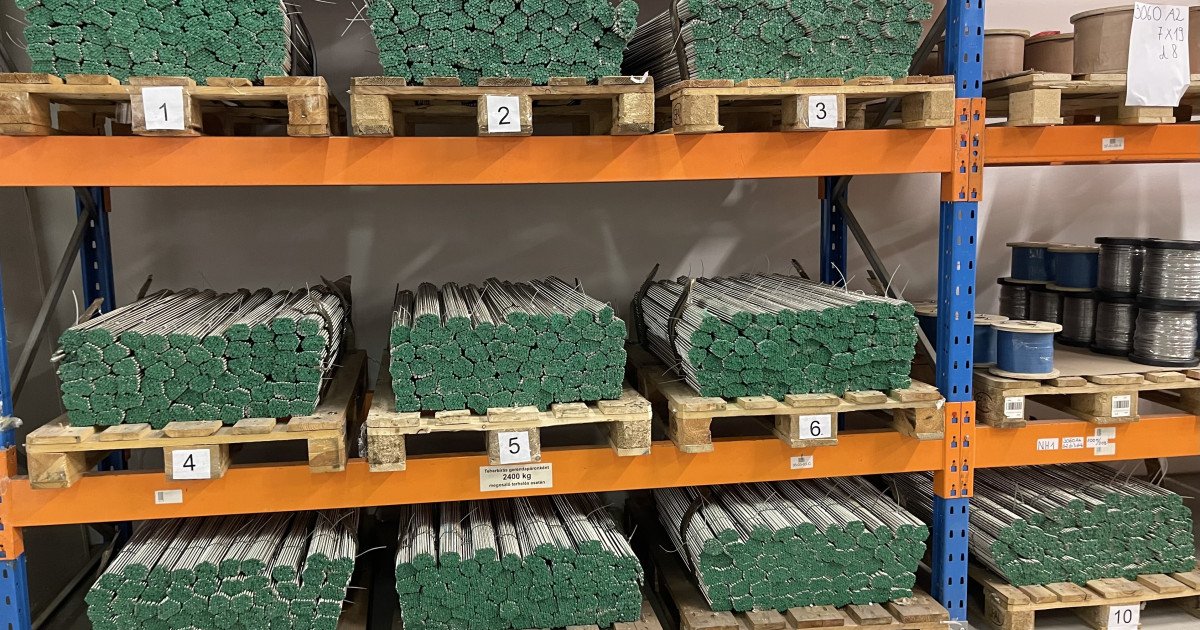
Everything you need to know about threaded rods
Read more →: Everything you need to know about threaded rodsSome sell screws by the piece, some by the kilo. Threaded rod, however, is customarily asked for by the metre. Economical cutting, cut-to-size ordering, trapezoidal threads, welding, galling - and why the stainless version's 700 N/mm2 beats the traditional 4.6.
-
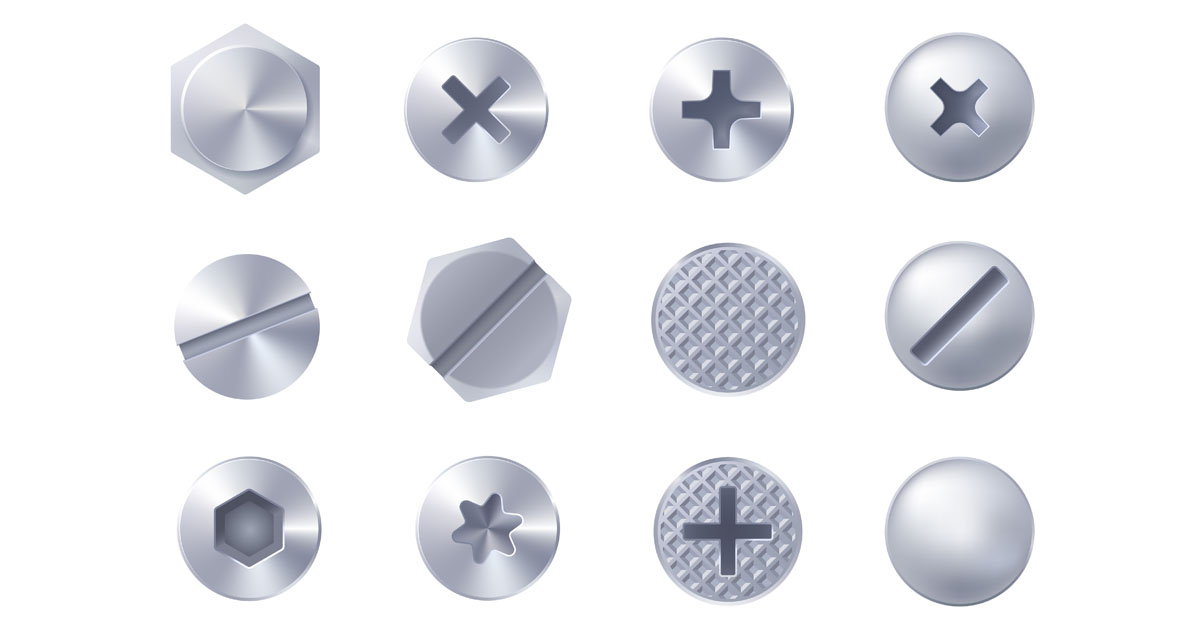
Special screw heads I.
Read more →: Special screw heads I.Screws hold together the greater part of the man-made world, and the most striking difference between them shows itself in their head design. Hex-head bolts, cylindrical head hex socket screws, headless screws and grub screws, countersunk, raised countersunk and “D” head screws.
-
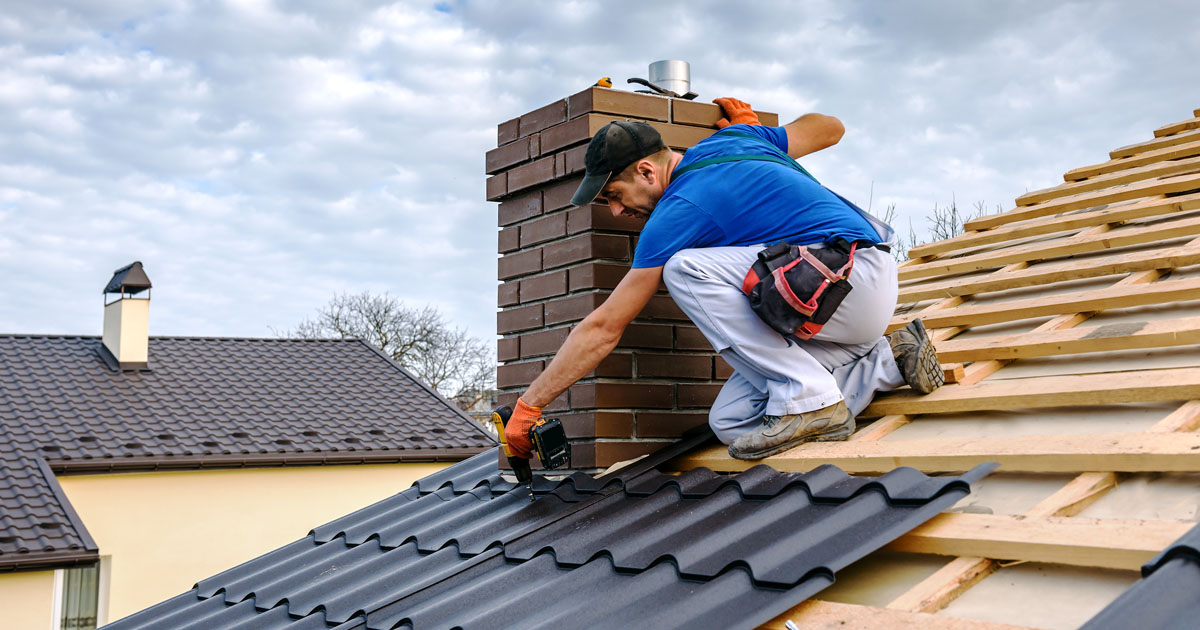
Storm-proof tile fixing with a “tinsmith’s” screw. A simple, safe and cheap solution
Read more →: Storm-proof tile fixing with a “tinsmith’s” screw. A simple, safe and cheap solutionThe suction effect of the wind can reach 4-5 times the dead weight of the roofing material. The storm clip costs about as much as the tile itself; nailing holds only the top third. The tinsmith's screw is simple, cheap and the most aesthetic solution.
-
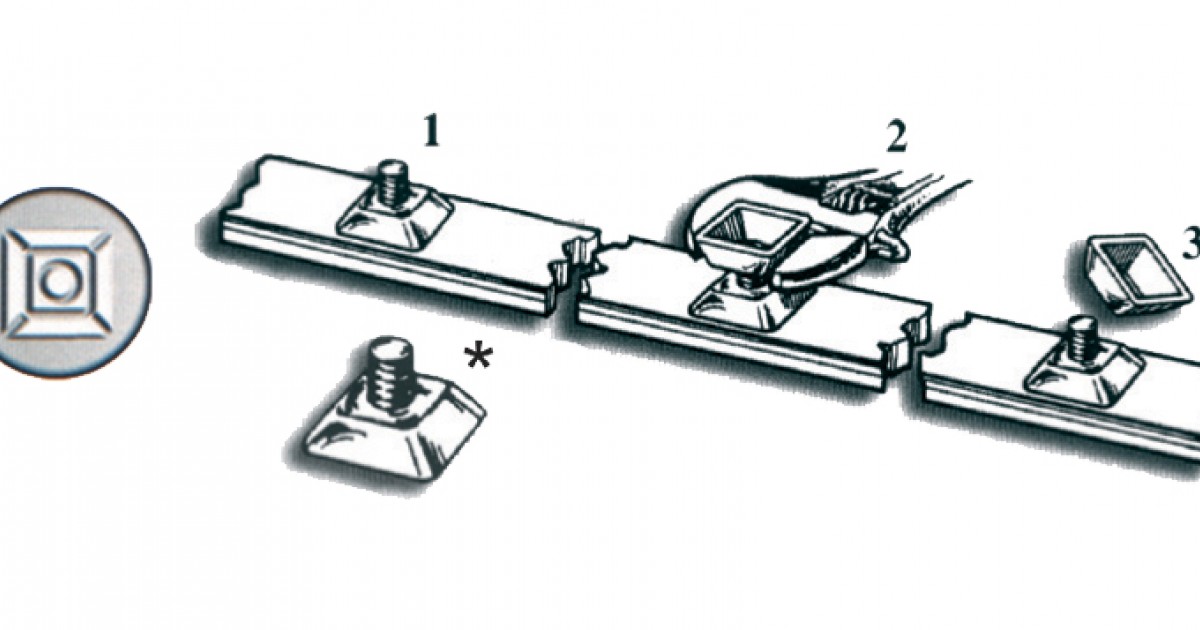
Security screws
Read more →: Security screwsMan created the screw, and with it the problem. Security screws can only be fitted with a special purpose-made tool. Snake-eye, pin Torx, triangle-head, McGard and one-way screws, security nuts - and the cheapest security screw of all, the carriage bolt.
-
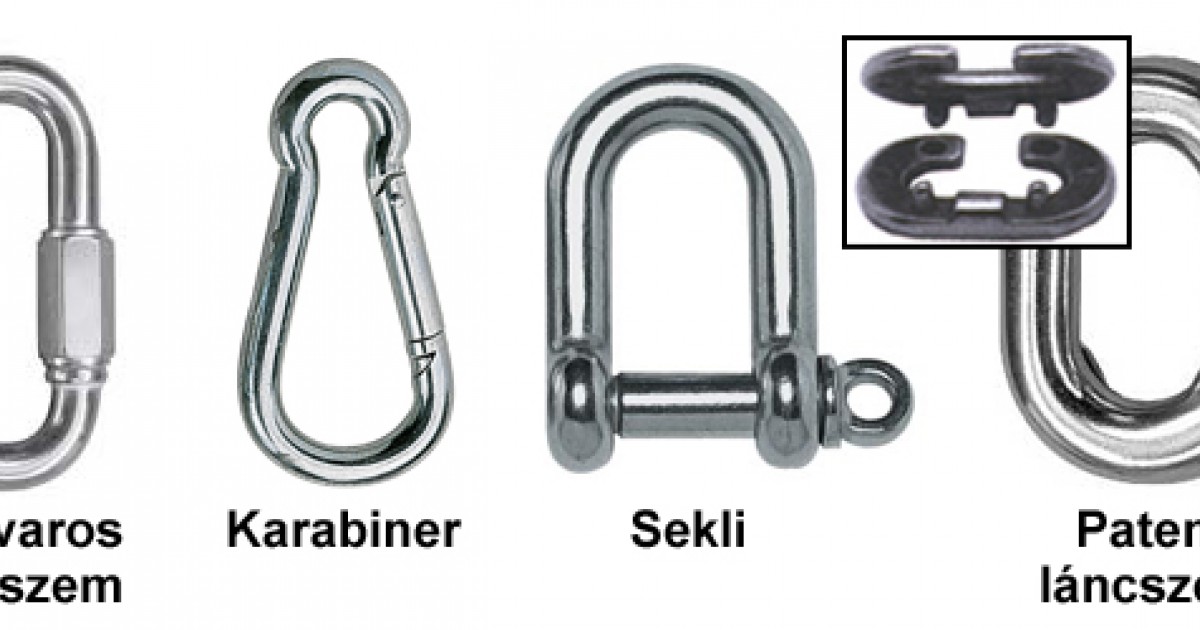
Uses of chains, joining chains
Read more →: Uses of chains, joining chainsHumanity has been using the chain for thousands of years - at first jewellery, later anchor chains. But what all do we use it for nowadays? From lock chains and rainwater drainage to shelf fixing, stair railings, swings and evening dresses, plus how to join chains properly.
-
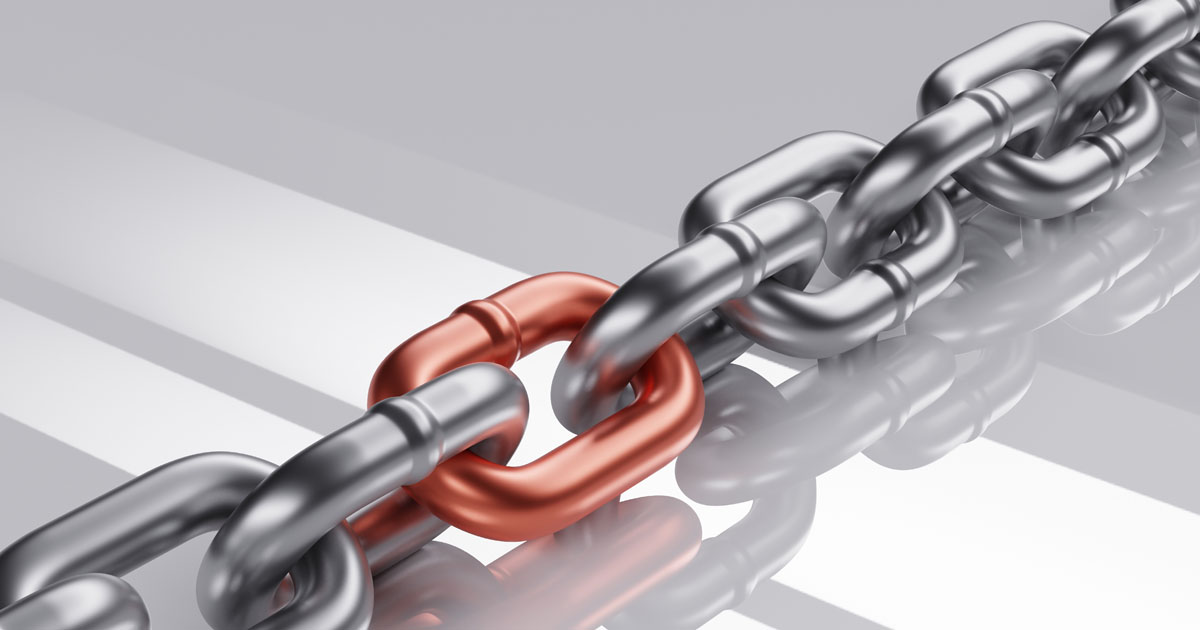
What you need to know about chains
Read more →: What you need to know about chainsIn its mechanical interpretation, a chain is an assembly of interlinked rings or links, to each of which at most two others connect. Pin, bush, roller and toothed chains, the link chain, making chains endless, and the chain hoist explained.