


Home › NONOX World
Knowledge base
NONOX World
Practical expertise — stainless and acid-resistant fastener articles, materials know-how and hands-on guides.
- Building hardware (8)
- Catalogues (2)
- Chains (3)
- Fasteners (27)
- Fastening technology (5)
- Galling (4)
- Index of our articles (1)
- Magazine (9)
- Materials know-how (19)
- Next-generation wood screws (11)
- Pipe fittings, fittings (4)
- Technical chemicals (4)
- Tools (13)
- WEH quick couplings (7)
- Wire ropes (8)
-

The special NONOX decking screw has proved itself!
Read more →: The special NONOX decking screw has proved itself!A flooring specialist with decades of experience decks a houseboat with 2000 self-drilling, self-countersinking NONOX stainless wood screws — no pre-drilling, no countersinking, a single bit for the whole job and two breakages. His verdict on the Torx drive, the reinforced neck and the price.
-
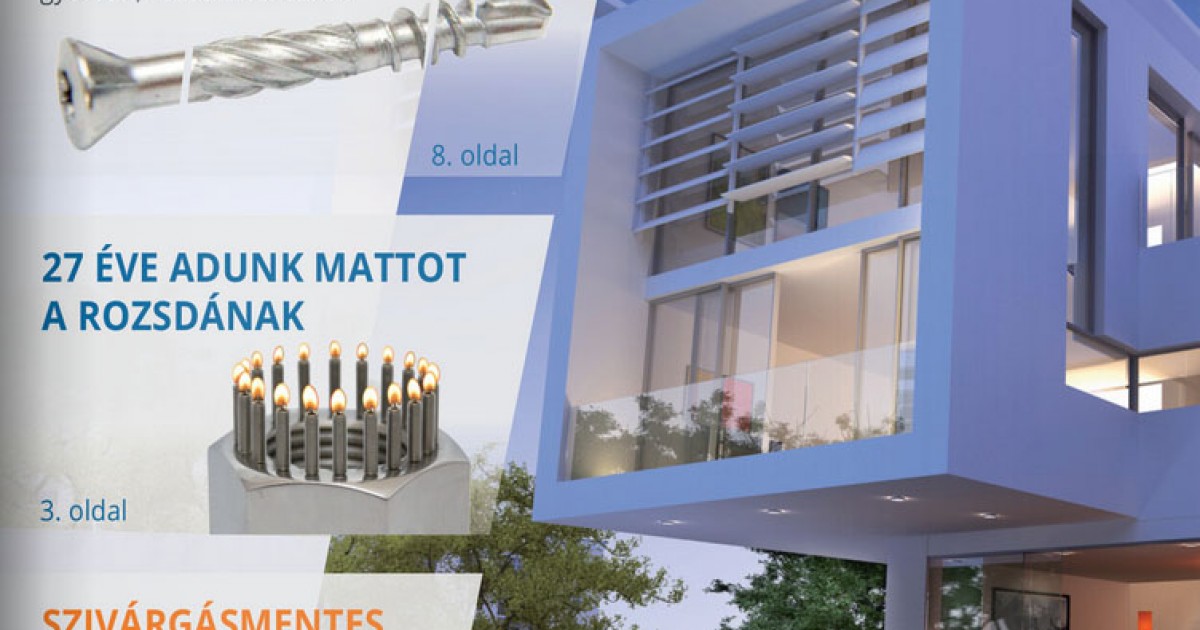
NONOX World – 27 years of checkmating rust
Read more →: NONOX World – 27 years of checkmating rustOur NONOX World magazine, to flip through page by page: 27 years of checkmating rust.
-
Chemical composition of stainless steels II
Read more →: Chemical composition of stainless steels IIAccording to DIN EN ISO 3506: the chemical composition of austenitic (A1–A5), martensitic (C1, C3, C4) and ferritic (F1) stainless steels in mass percentages of carbon, silicon, manganese, phosphorus, sulphur, chromium, molybdenum, nickel and copper, with the twelve footnotes on sulphur, molybdenum, nickel and the stabilising titanium and niobium.
-
Mechanical properties of fasteners in the martensitic steel group
Read more →: Mechanical properties of fasteners in the martensitic steel groupAccording to DIN EN ISO 3506: the mechanical properties of martensitic (C1, C3, C4) and ferritic (F1) stainless fasteners — tensile strength, 0,2% yield strength, elongation at fracture and hardness in HB, HRC and HV — plus the length limits, the thread diameter range and the temperature caveats to agree with your supplier.
-

Chemical composition of stainless steels
Read more →: Chemical composition of stainless steelsAn extract from ISO 683-13:1986: the chemical composition of ferritic, martensitic and austenitic stainless steels, with maximum mass percentages for carbon, silicon, manganese, phosphorus and sulphur, plus nitrogen, aluminium, chromium, molybdenum, niobium, nickel, selenium, titanium and copper, and the steel group codes that map them to the F1, C and A1–A5 grades.
-
Chemical composition of stainless steels intended for cold forming
Read more →: Chemical composition of stainless steels intended for cold formingAn extract from ISO 4954 : 1993: the chemical composition of ferritic, martensitic and austenitic stainless steels intended for cold forming, with mass percentages for carbon, silicon, manganese, phosphorus, sulphur, chromium, molybdenum and nickel, plus the steel group codes that map them to the A2, A4 and A5 grades.
-
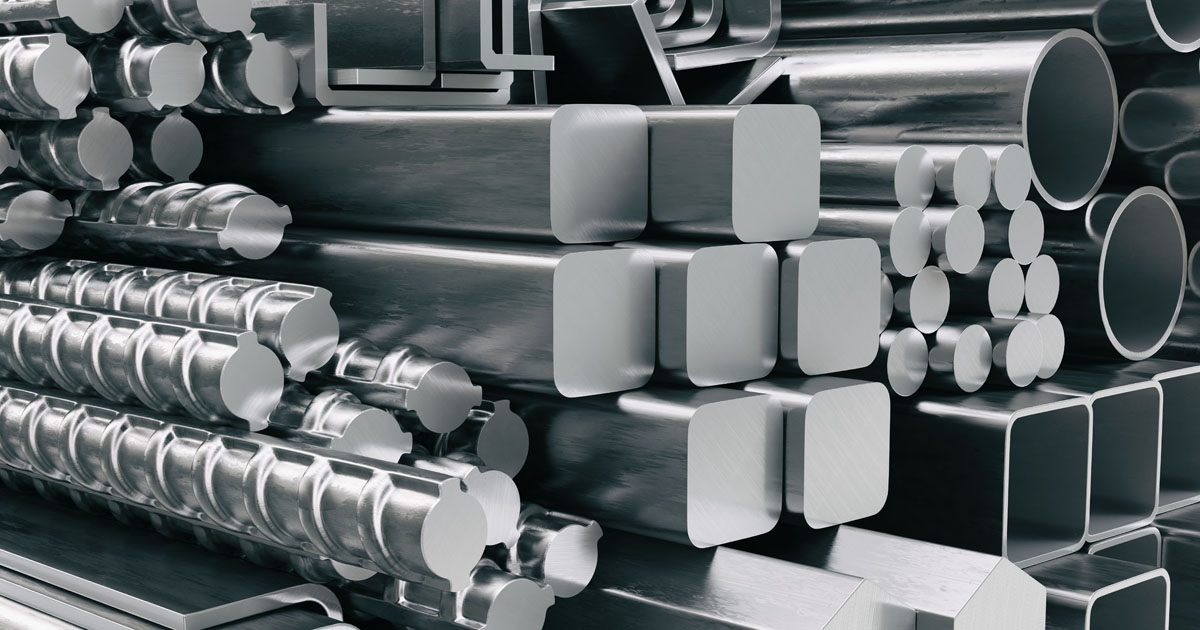
Stainless and acid-resistant steels used in Germany
Read more →: Stainless and acid-resistant steels used in GermanyA reference table of the stainless and acid-resistant steels used in Germany: material number, the designation under the VDEh standard that preceded DIN, indicative average analysis for carbon, silicon, manganese, chromium, nickel and molybdenum, and a typical example of use for every grade.
-
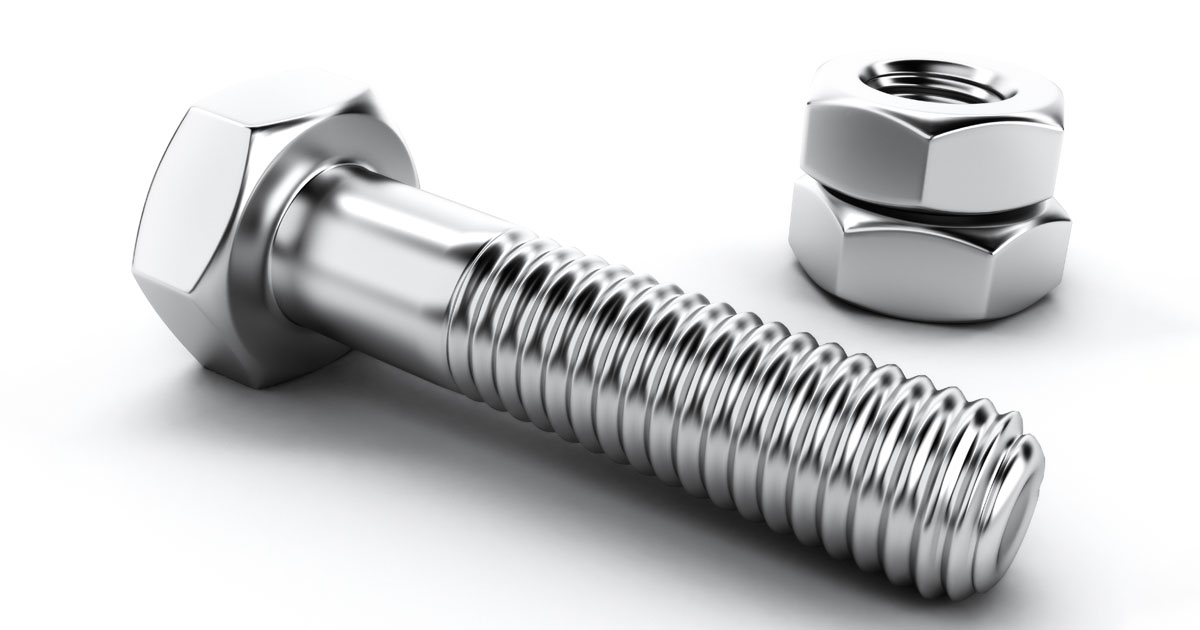
Fully threaded hex-head bolt in stainless (A2) and acid-resistant (A4) versions
Read more →: Fully threaded hex-head bolt in stainless (A2) and acid-resistant (A4) versionsOur most widespread NONOX stainless and acid-resistant bolt, with the largest size range, but mind that hex-head lengths are understood without the head. Rolled threads, cold-forged heads, ordering examples, typical fields of application, and a warning about galling between austenitic bolts and nuts of the same grade.
-
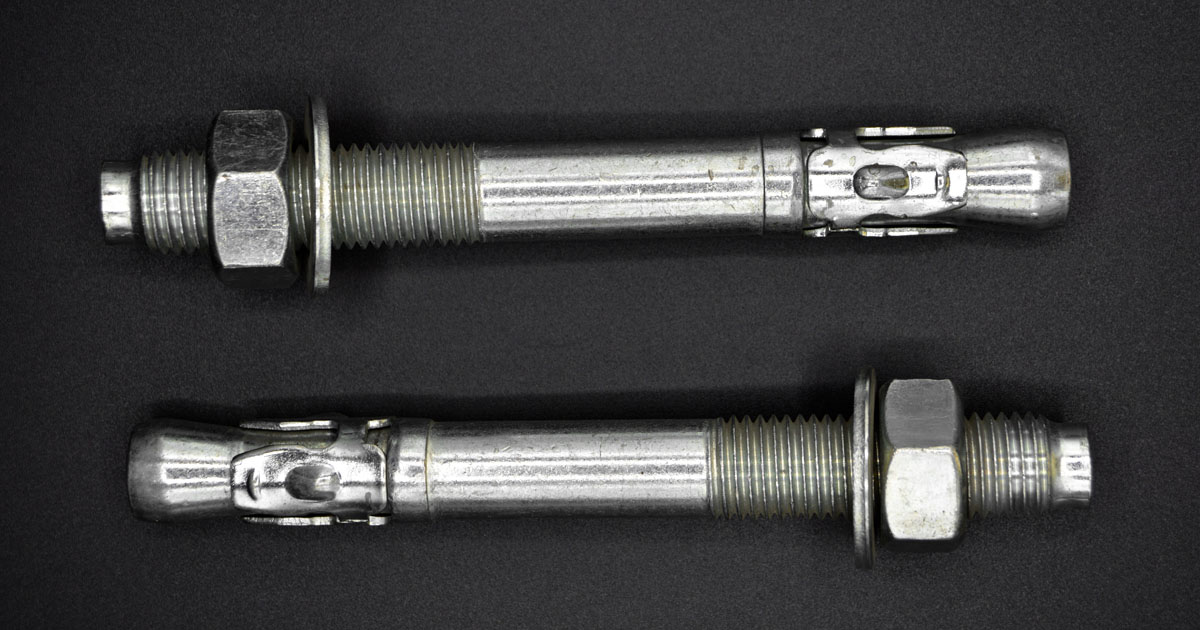
Anchor bolts
Read more →: Anchor boltsTwo ways to anchor into concrete and stone: the internally threaded drive-in wedge anchor, which a wedge expands along its slot, and the ring anchor bolt, which grips harder the more you tighten the nut. Both in NONOX stainless (A2) and acid-resistant (A4), M6 – M24, available from stock.
-
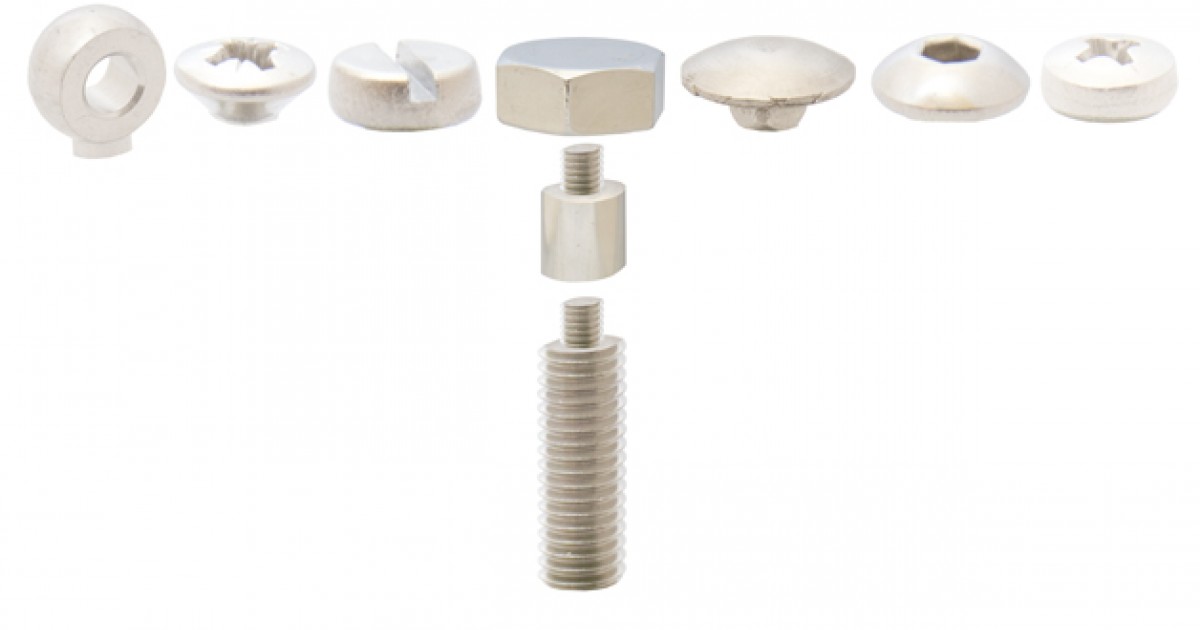
This screw is a bit loose around the waist…
Read more →: This screw is a bit loose around the waist…Off-the-peg does not fit everyone. We offer more than 35 thousand kinds of NONOX stainless fastener, but when none of them fits, we simply take the measurements: a short note on ordering a custom fastener.
-
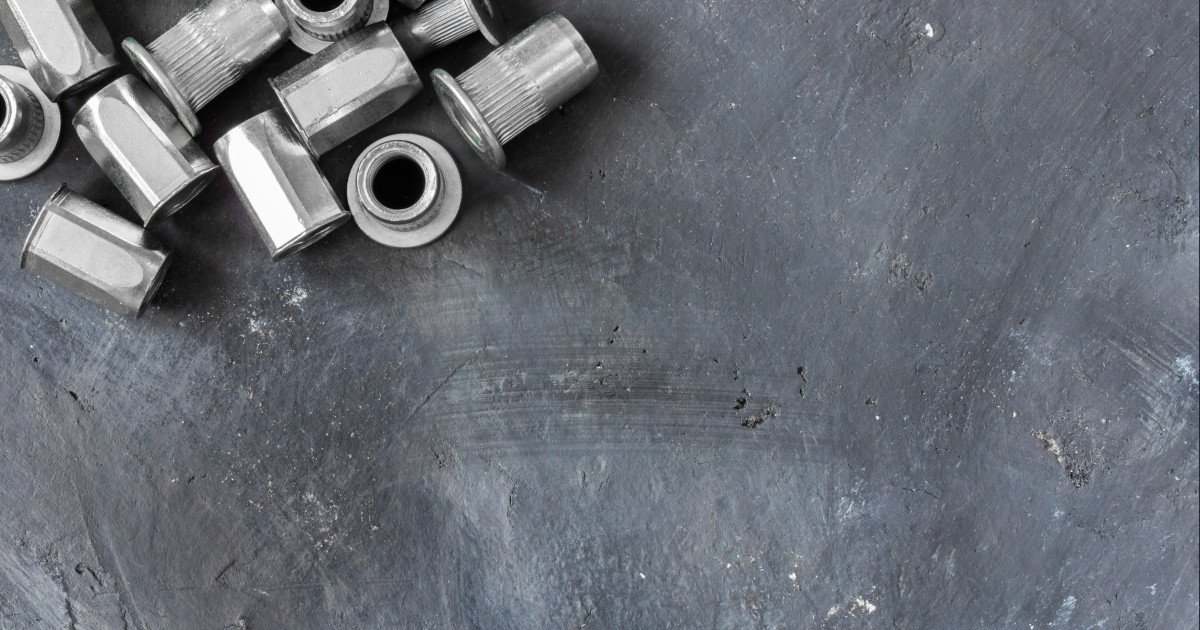
What is a rivet nut for?
Read more →: What is a rivet nut for?Fastening to sheet, tube or hollow section without cutting a thread or welding a nut on. How the rivet nut works like a blind rivet, how to set the tool up, how to size it, and the open, closed, countersunk and micro-flange types in aluminium, steel and NONOX stainless.
-
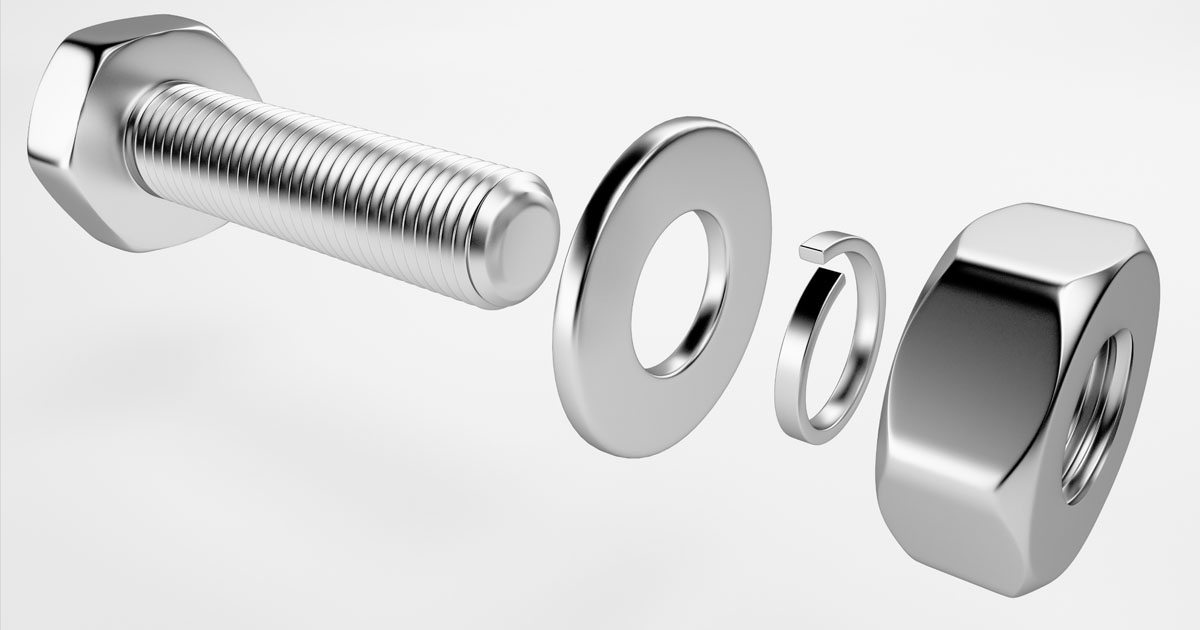
The “underdog” — why do we need a washer here?!
Read more →: The “underdog” — why do we need a washer here?!A washer spreads the load, like a ski on snow, and protects the finished surface. Wood construction, thick, decorative, body, sealing, contact and beam washers, plus the captive washer and the combi nut: which one belongs where, and why the material grade must never be the place you economise.