
NONOX World
Materials know-how
- Building hardware (8)
- Catalogues (2)
- Chains (3)
- Fasteners (25)
- Galling (4)
- Index of our articles (1)
- Magazine (8)
- Materials know-how (19)
- Next-generation wood screws (11)
- Pipe fittings, fittings (4)
- Technical chemicals (4)
- Tools (13)
- WEH quick couplings (7)
- Wire ropes (8)
-

Index of our articles
Read more →: Index of our articlesEvery NONOX World article in one place, in alphabetical order: 97 links covering fasteners, stainless and acid-resistant materials, tools, chains, wire ropes, pipe fittings and building hardware. Whatever you are looking for, start here — the whole blog, from galling to concrete screws, on a single page.
-
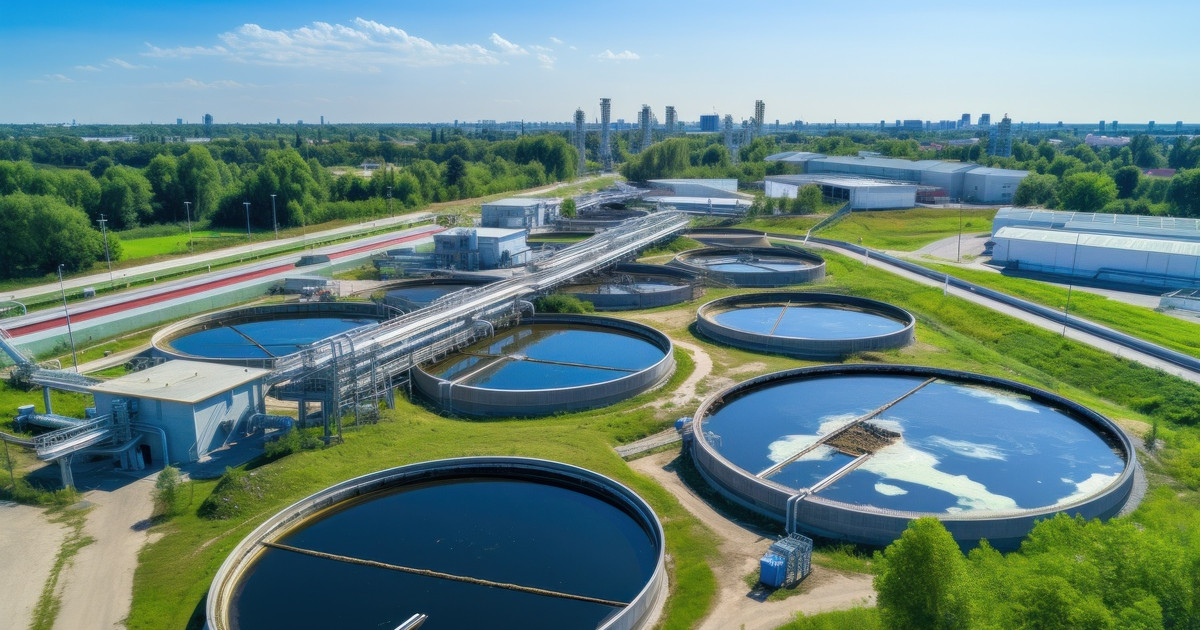
Wastewater never stops
Read more →: Wastewater never stopsA conversation with the technical director of a partner that designs and builds industrial and municipal wastewater treatment systems: why carbon steel is banned around food, what OKS-250 paste solved, and why the non-return valve is all but forbidden in industry.
-
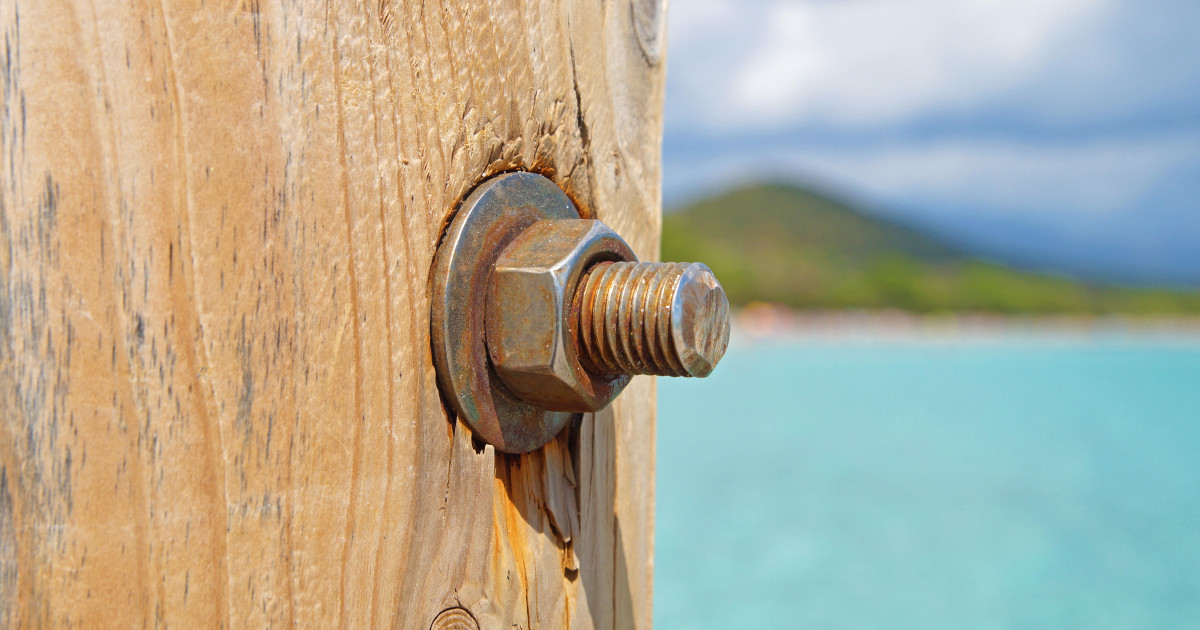
Useful advice on preserving stainlessness
Read more →: Useful advice on preserving stainlessnessHow can something be called stainless if it is prone to rusting? Practical advice on protecting the surface oxide layer, on why stainless steel must never meet carbon steel, and a table of 60 chemicals with their effect on A2 and A4 grades.
-
OKS-250 anti-galling paste
Read more →: OKS-250 anti-galling pasteGalling is not a material defect and not corrosion – but with stainless threads it can happen on the very first tightening. What causes it, how to prevent it with heterogeneous A2/A4 pairings, slower tightening and clean threads, and what OKS 250 anti-galling paste does. Plus our anti-galling warranty.
-

Chemical composition of stainless steels
Read more →: Chemical composition of stainless steelsAn extract from ISO 683-13:1986: the chemical composition of ferritic, martensitic and austenitic stainless steels, with maximum mass percentages for carbon, silicon, manganese, phosphorus and sulphur, plus nitrogen, aluminium, chromium, molybdenum, niobium, nickel, selenium, titanium and copper, and the steel group codes that map them to the F1, C and A1–A5 grades.
-
Mechanical properties of fasteners in the martensitic steel group
Read more →: Mechanical properties of fasteners in the martensitic steel groupAccording to DIN EN ISO 3506: the mechanical properties of martensitic (C1, C3, C4) and ferritic (F1) stainless fasteners — tensile strength, 0,2% yield strength, elongation at fracture and hardness in HB, HRC and HV — plus the length limits, the thread diameter range and the temperature caveats to agree with your supplier.
-
Chemical composition of stainless steels II
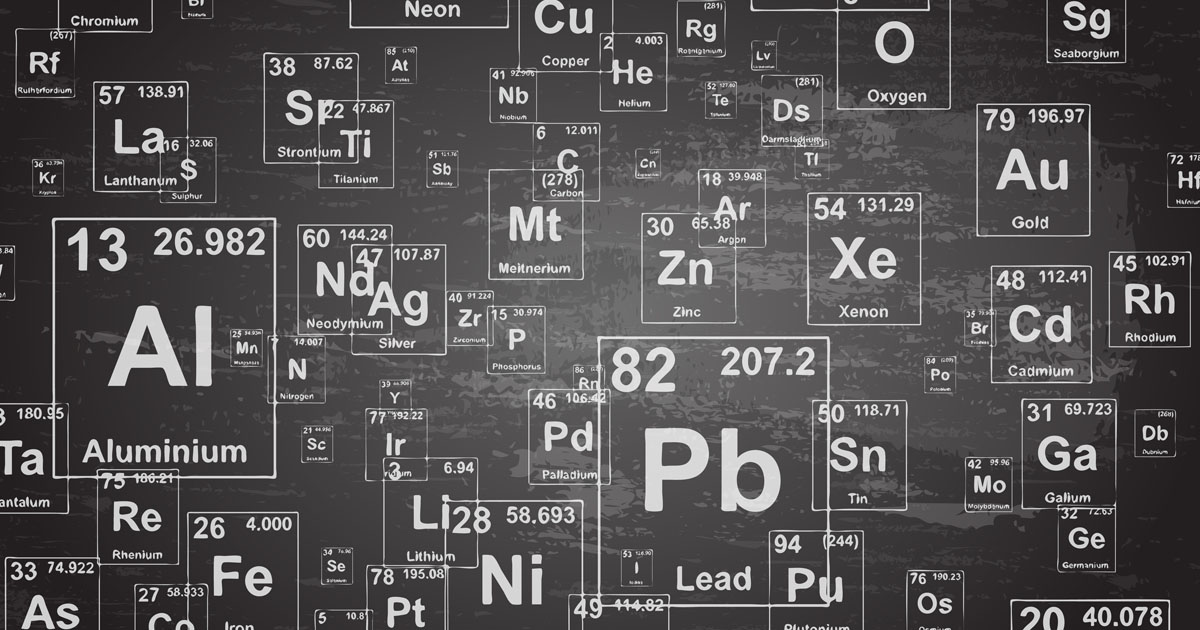
Read more →: Chemical composition of stainless steels IIAccording to DIN EN ISO 3506: the chemical composition of austenitic (A1–A5), martensitic (C1, C3, C4) and ferritic (F1) stainless steels in mass percentages of carbon, silicon, manganese, phosphorus, sulphur, chromium, molybdenum, nickel and copper, with the twelve footnotes on sulphur, molybdenum, nickel and the stabilising titanium and niobium.
-
Chemical composition of stainless steels intended for cold forming
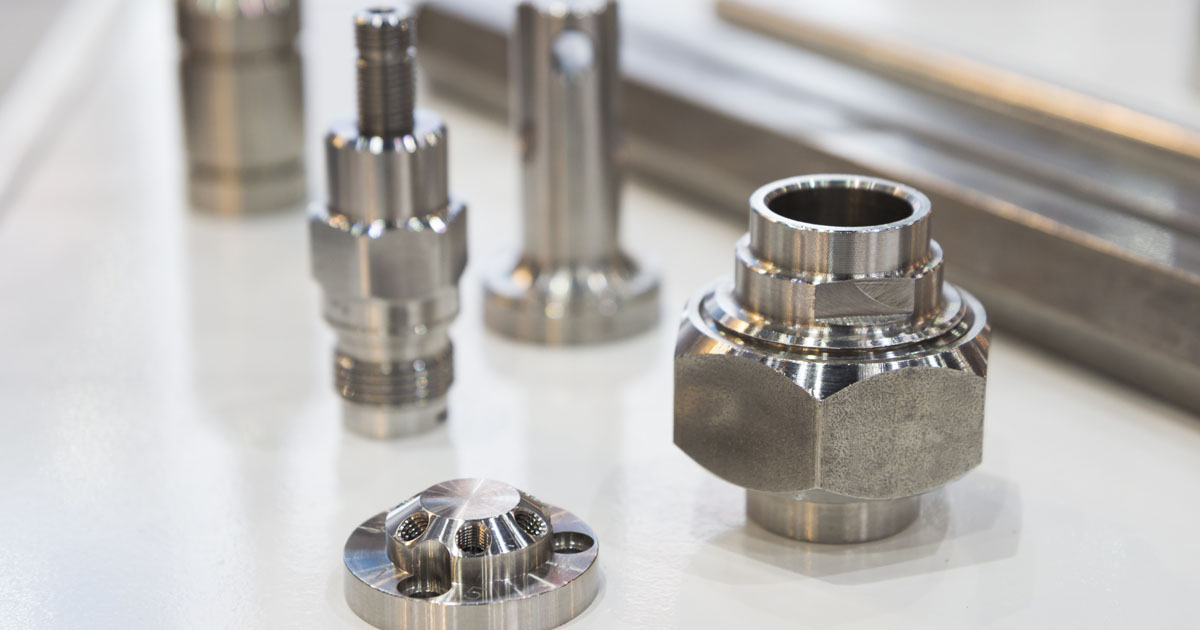
Read more →: Chemical composition of stainless steels intended for cold formingAn extract from ISO 4954 : 1993: the chemical composition of ferritic, martensitic and austenitic stainless steels intended for cold forming, with mass percentages for carbon, silicon, manganese, phosphorus, sulphur, chromium, molybdenum and nickel, plus the steel group codes that map them to the A2, A4 and A5 grades.
-
Stainless and acid-resistant steels used in Germany
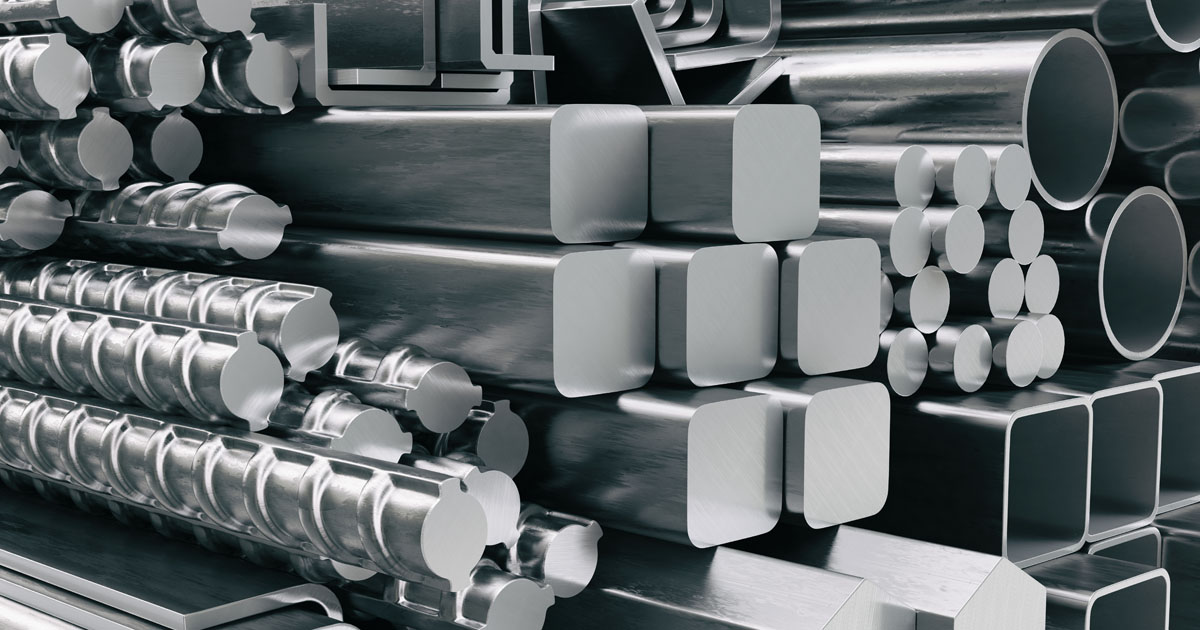
Read more →: Stainless and acid-resistant steels used in GermanyA reference table of the stainless and acid-resistant steels used in Germany: material number, the designation under the VDEh standard that preceded DIN, indicative average analysis for carbon, silicon, manganese, chromium, nickel and molybdenum, and a typical example of use for every grade.
-
The corrosion resistance of the A2 stainless and A4 acid-resistant screw raw materials
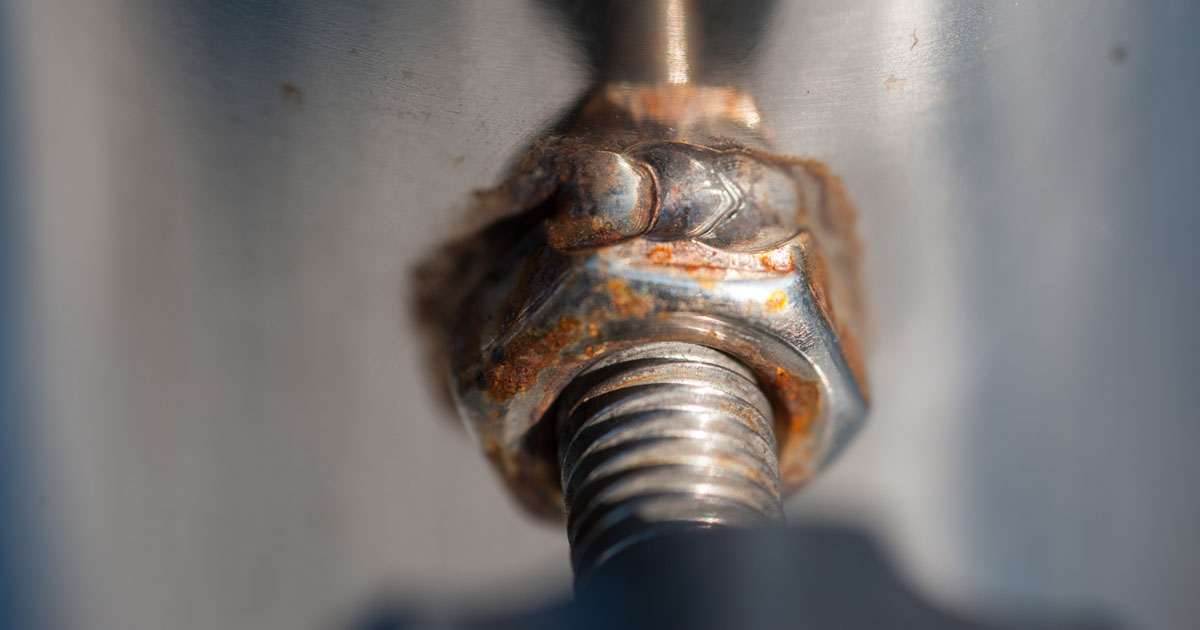
Read more →: The corrosion resistance of the A2 stainless and A4 acid-resistant screw raw materialsAustenitic stainless and acid-resistant steels belong in the category of active corrosion protection thanks to their alloying materials. Even so, they can corrode in practice. Rust contamination, surface, local, contact, stress and mechanical corrosion, and how to guard against each.
-
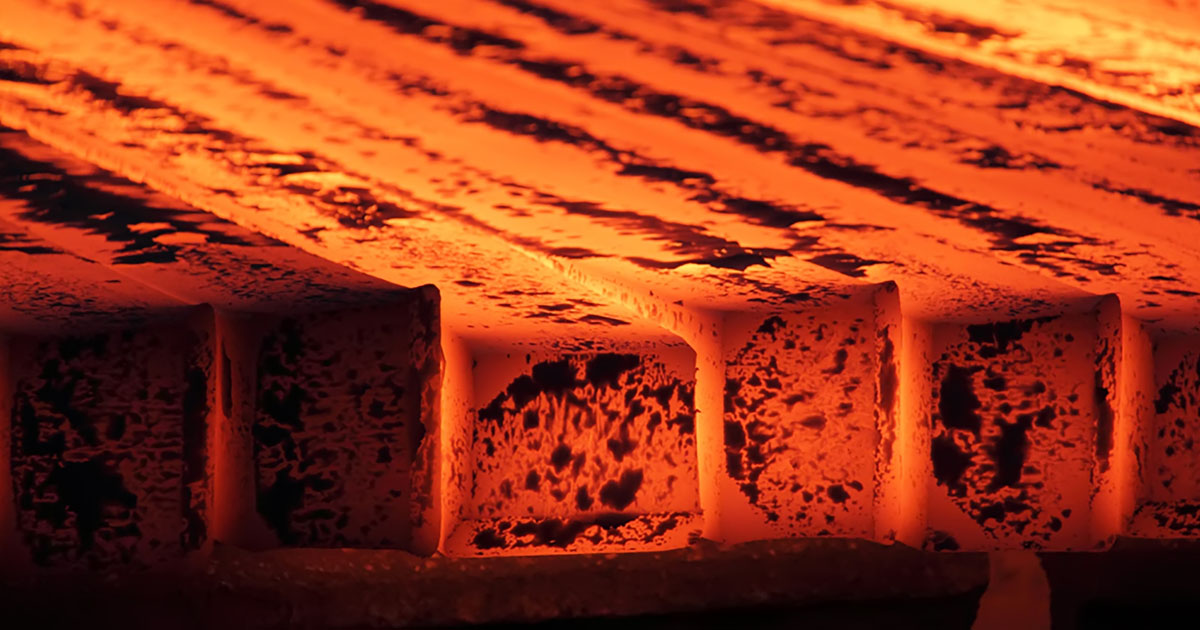
Steels and their properties
Read more →: Steels and their propertiesIron is an important element of living organisms and one of our most heavily used industrial materials, especially its alloy with carbon: steel. From classification and the effect of carbon to the alloying elements behind corrosion-resistant and acid-resistant grades, here is what shapes the properties of steels.
-

Galling of stainless screws
Read more →: Galling of stainless screwsNOT a material defect! NOT caused by corrosion! NOT a common phenomenon, but it can happen. With austenitic screws the thread can seize as if welded, already during the first tightening. What causes galling, and which methods reliably prevent it?