

Galling of stainless screws:
NOT a material defect!
NOT caused by corrosion!
NOT a frequent phenomenon, but it can occur!
One characteristic property of stainless and acid-resistant steel is the “galling” of the threads during use. This is not to be confused with the galling of conventional screws, where the phenomenon is a consequence of rusting and develops over a relatively long period. With austenitic-based screws the phenomenon is extremely fast, since it can already happen during the first tightening that the thread binds as if it had been welded together! We are not far from the truth, because cold flow can occur from the friction, and the contacting surfaces can flow into one another. This can happen even with a still-loose joint, before we have fully tightened the fastening. A single point where the friction between the two contacting surfaces is stronger is enough, and the fusing occurs. This can then only be undone in the most drastic way, by cutting or tearing off the screw.
Methods for preventing galling
One of the most proven methods is to form a heterogeneous (differing) material-grade joint, e.g. to use an A4-grade nut with an A2-grade screw. The molybdenum content of the A4-grade material (which is not present in A2) prevents galling. The method is not 100% effective, but it is widespread and good.
The heat generated by friction plays a decisive role in the development of galling, therefore every method that reduces the heat produced during tightening of the screw also reduces the chance of galling. That is precisely why it is recommended to tighten stainless screws more slowly than usual. Whenever possible, tighten stainless screws by hand, and if you feel binding, let the thread cool for 1-2 minutes, then carefully unscrew the nut and try another one and/or use anti-seize paste! (You can read about anti-seize pastes below.)
During storage and transport, take care that the threads of the screws are not damaged! With large, heavy screws it is common for the threads of the screws to knock together during transport and become damaged. A damaged thread is far more likely to gall.
If the thread is contaminated, this also increases friction and thereby raises the risk of galling. Dangerous contaminants in this respect can be sand, dust, metal filings, etc. Clean a contaminated thread before screwing together!
The prevention method mentioned above is the use of pastes and sprays of various makes. With these it is always important to observe the manufacturers’ instructions for use, because in addition to preventing galling these materials also provide lubrication!
Guaranteed freedom from galling exists
There is a fastener distributor who provides an anti-galling warranty on the stainless fasteners it sells.
Get to know our Warranty programme!
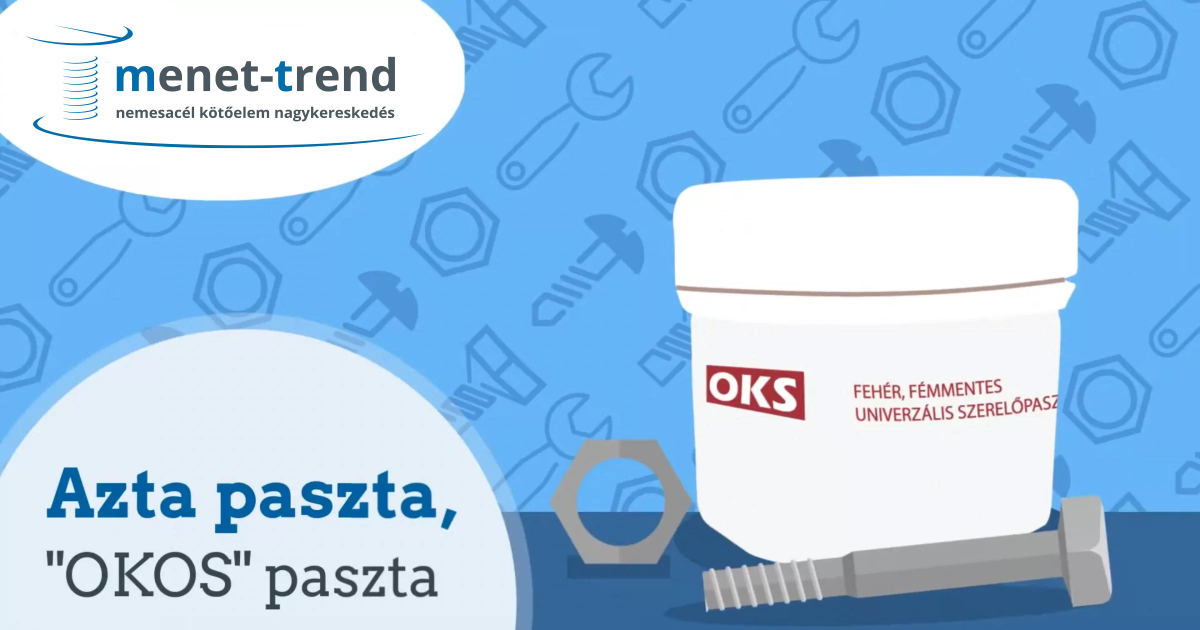
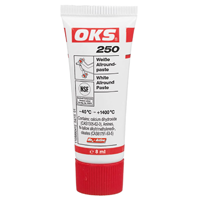
We guarantee that the stainless screws purchased from Menet-Trend Kft. will not gall if, before assembly, you use OKS 250 anti-galling paste. With every order of 50,000 forints we give a small tub of anti-galling paste as a gift…
What does the anti-galling warranty cover?
If, despite the use of OKS paste and adherence to the assembly technology, the stainless screws purchased from us should gall, we refund the full purchase price of the galled screws. (Our warranty applies to screws purchased after 5 September 2012. It is unlimited in time; its only condition is that you have the invoice received at the time of purchase.)
What can the OKS 250 anti-galling paste do?
It prevents seizing, burning-in, cold welding and the “Stick-Slip” phenomenon. Recommended for general use with stainless-steel fastenings. Usable from -40 to +1400 C.


Leave a Reply