
NONOX World
Materials know-how
- Building hardware (8)
- Catalogues (2)
- Chains (3)
- Fasteners (25)
- Galling (4)
- Index of our articles (1)
- Magazine (8)
- Materials know-how (19)
- Next-generation wood screws (11)
- Pipe fittings, fittings (4)
- Technical chemicals (4)
- Tools (13)
- WEH quick couplings (7)
- Wire ropes (8)
-
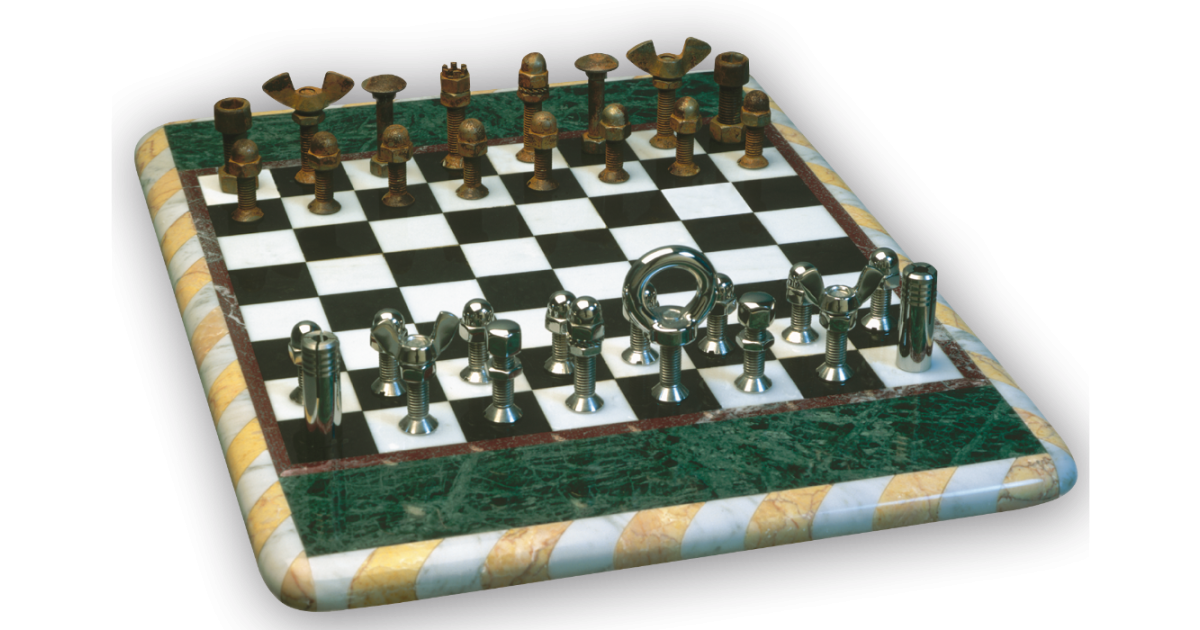
How to protect against rust
Read more →: How to protect against rustBy definition, corrosion is the destruction of metals by an electrochemical process. In a dry medium iron does not rust, yet corrosion causes an estimated HUF 50 billion of damage a year in Hungary. Local cells, protective coatings, galvanising and cathodic protection explained.
-
Corrosion-resistant alloys
Read more →: Corrosion-resistant alloysProtective coatings only protect while they remain intact. The other fundamental method of protection against corrosion is alloying, thanks to which stainless and acid-resistant steels came into being. From iron-carbon alloys to the welding and standardisation of A2 and A4 grades.
-
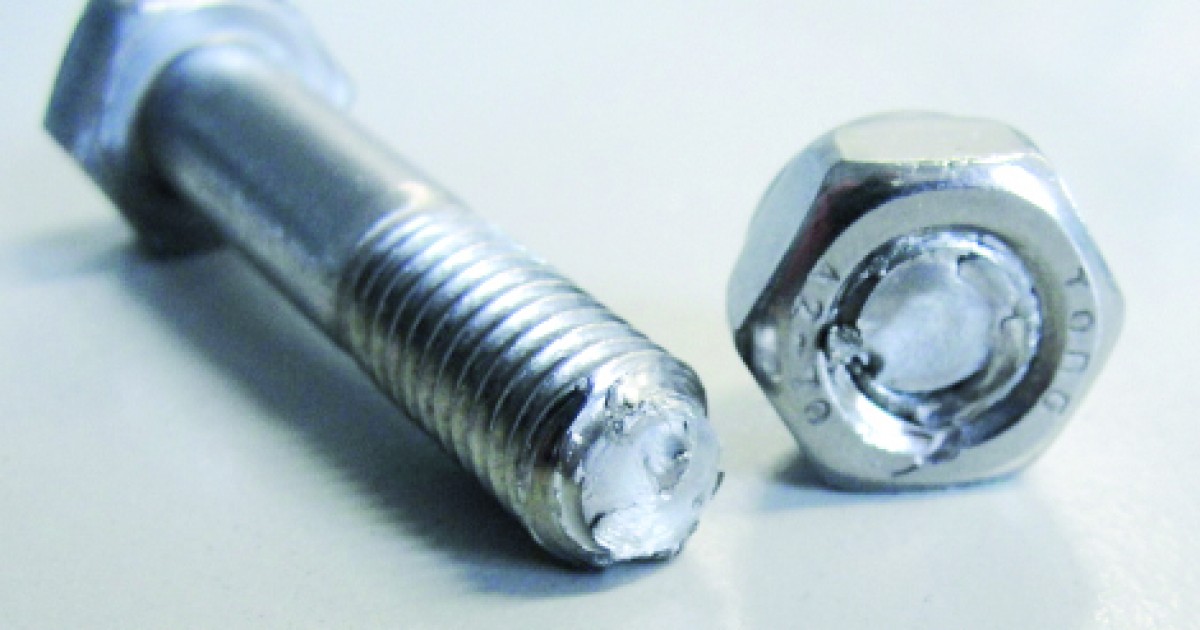
20 points to follow to prevent galling of austenitic (stainless and acid-resistant) screws
Read more →: 20 points to follow to prevent galling of austenitic (stainless and acid-resistant) screwsGalling of stainless and acid-resistant screws is not caused by a material defect, but by mechanical irregularities and/or failure to follow the assembly technology. You can find out here, point by point, what that technology is: handle the screws carefully, and avoid every possibility of mechanical damage to them.
-
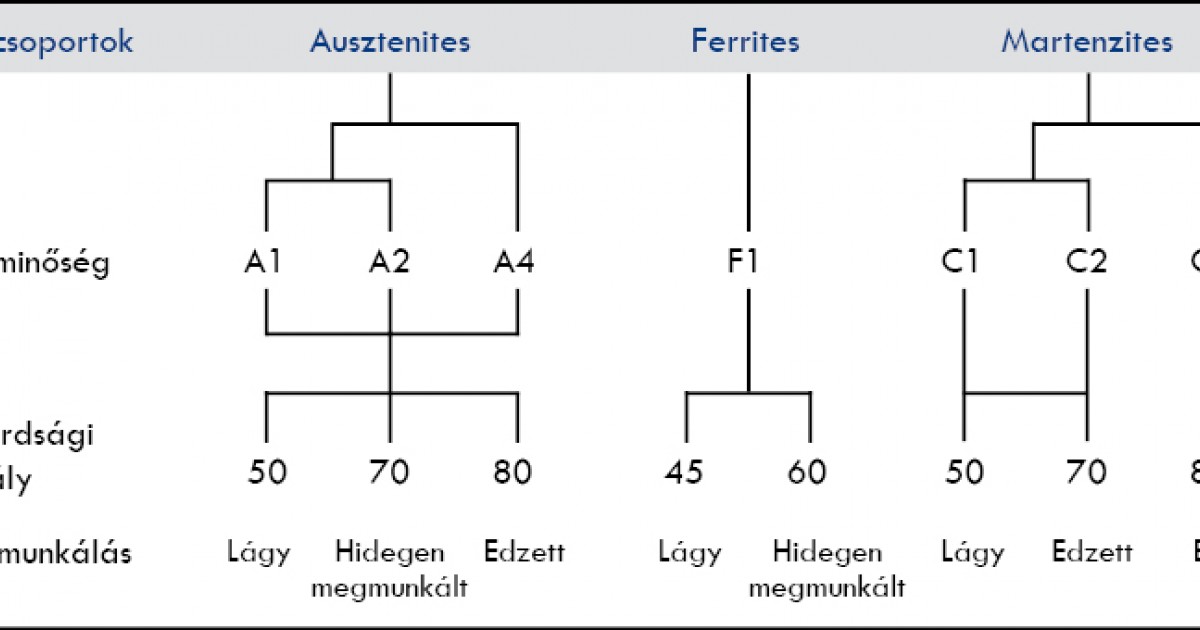
Designations of stainless steels
Read more →: Designations of stainless steelsExtract from standard DIN EN ISO 3506. Steel groups and strength classes are designated by a sequence of letters and numbers consisting of 4 characters. The letters denote the general classification of the steel groups: A = austenitic steels, C = martensitic steels, F = ferritic steels.
-
How to avoid galling of stainless steel fasteners
Read more →: How to avoid galling of stainless steel fastenersWith NONOX stainless steel screw joints, galling of rough surfaces can still cause problems even today. It is not uncommon for the phenomenon to be assumed to be caused by corrosion; in contrast, other triggering causes usually lie in the background, such as coarse thread machining or other surface damage.
-
Heat treatment
Read more →: Heat treatmentHeat treatment is a technological operation consisting of controlled heating and heat transfer and/or cooling, by which the properties of products can be modified to suit their application. There are certain heat treatments that are used for a particular alloy family – for example for stainless and acid-resistant steels.
-
Steels and their properties II
Read more →: Steels and their properties IIStructural steels. Materials such as steel are things we encounter primarily in practice, as users, so it is worth discussing some of their properties on the basis of their fields of application. Non-alloy structural steels are usually supplied in the hot-rolled or forged condition.