
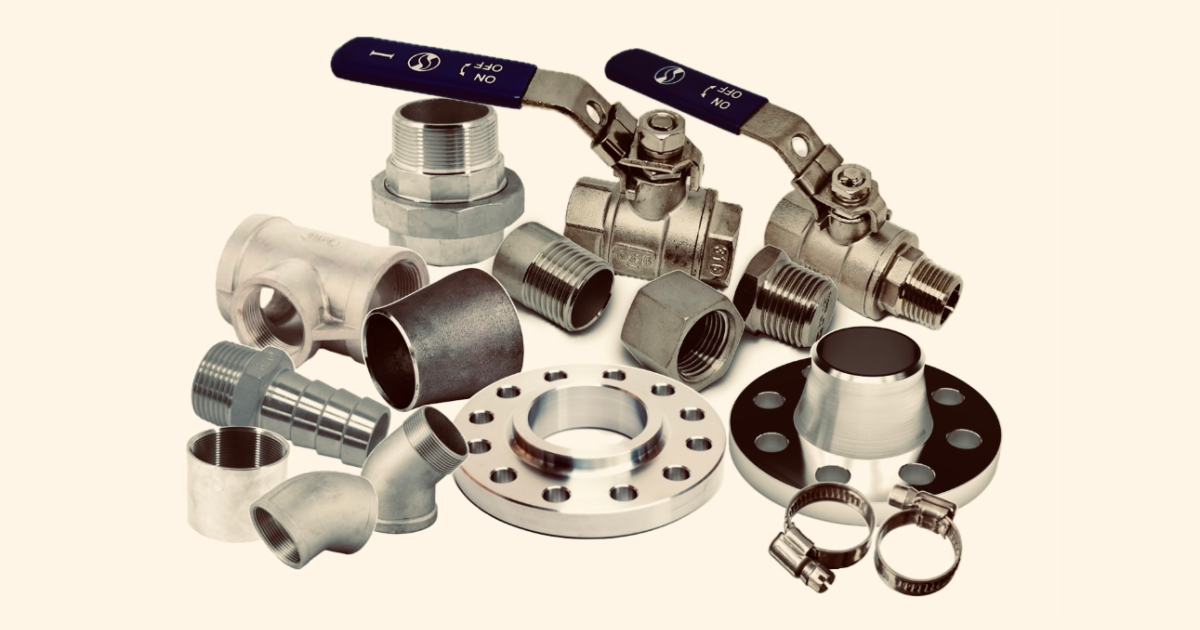
The relatively small NONOX stainless and acid-resistant pipe fittings used in industry are important components of systems that operate across a wide temperature range and in corrosive environments. These parts are indispensable in the chemical, food and pharmaceutical industries, as well as in the oil and gas industry. The various types of pipe fitting ensure the safe and efficient conveying, directing and distribution of liquids and gases.
| NONOX base materials (stainless and acid-resistant grades) |
Acid-resistant pipe fittings are generally made of austenitic acid-resistant steel, because these stand up well to corrosion and to high temperatures. The following steel types are the most widespread:
- 1.4301 (AISI 304):
This is the most widespread austenitic stainless steel, containing 18% chromium and 8% nickel.
Although it is neither titanium-stabilised nor molybdenum-bearing, it provides excellent general corrosion resistance under normal conditions.
It is primarily the base material of fittings used in food-industry, water-treatment and building services systems.
Its temperature range: –196 °C / +815 °C.
- 1.4306 (AISI 304L):
The low-carbon version of 304, developed for weldable systems because it reduces the risk of intergranular corrosion after welding.
It is ideal where the pipe fittings are welded but no subsequent heat treatment is carried out.
It is a suitable choice for clean-water, compressed-air and mildly acidic media.
Its temperature range: –196 °C / +425 °C.
- 1.4401 (AISI 316):
The further-developed version of 304, with a molybdenum content of 2–2,5%, which significantly increases its corrosion resistance, especially in chloride-bearing media (e.g. seawater, chemical solutions).
For industrial pipe fittings it is frequently used in the pharmaceutical, chemical and food industries, where a high degree of resistance matters.
Its temperature range: –196 °C / +815 °C.
- 1.4404 (AISI 316L):
The low-carbon version of 316, which is not prone to intergranular corrosion even after welding.
It is often used in systems with higher purity requirements, for example in pharmaceutical and cleanroom applications.
It also resists disinfectants and acidic media better than the members of the 304 family.
Its temperature range: –196 °C / +455 °C.
Types of pipe fitting
Various types of pipe fitting are to be found in industrial systems, solving the problem of shaping, directing, distributing, connecting and closing off the pipe system. Below we present the most frequently used NONOX acid-resistant fittings and their main characteristics:
- Ball valves
- Elbows
- Press bends
- Branch fittings
- Reducers
- Sockets
- Unions
- Hose ends
- Closing elements
- Threaded pipe extensions
- Flanges
- Kamlok quick couplings
NONOX ball valves
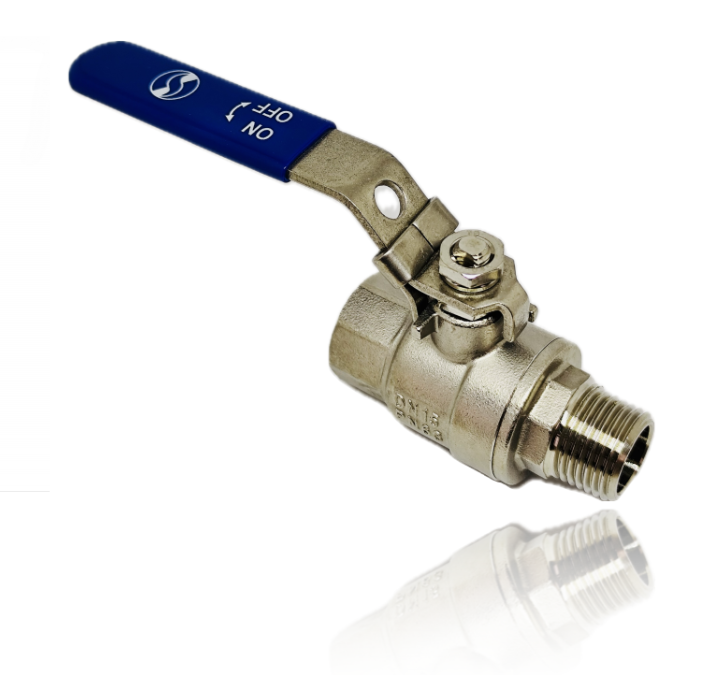
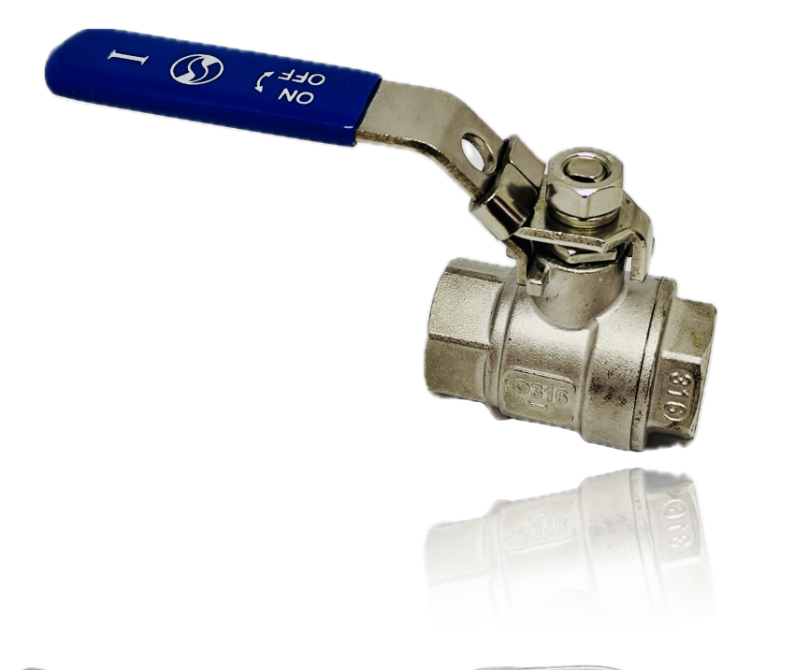
Ball valves are shut-off devices used for regulating the flow of liquids and gases. Turning the spherical valve found in the tap opens or closes the flow. Because of their compact size ball valves offer a space-saving solution, they have a fast and readily controllable shut-off function, and they are popular in industrial applications.
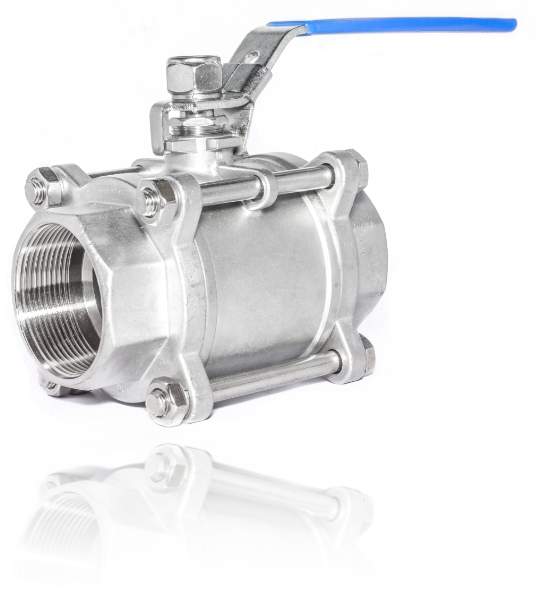
Dismountable acid-resistant ball valves also exist, developed for applications where regular and thorough cleaning is indispensable, and where it must be possible to carry that out very thoroughly on parts such as the internal structure of the ball valve, where dirt settles. Dismountability therefore serves the purposes of maintenance and of keeping things clean.
NONOX elbows
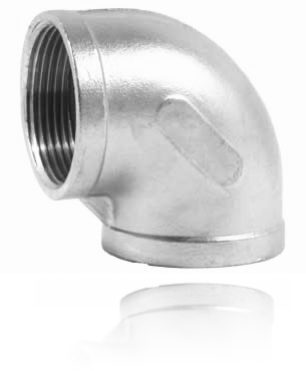
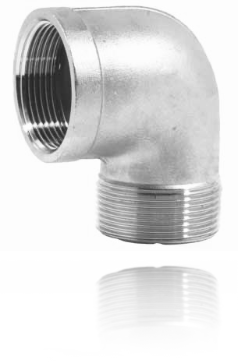
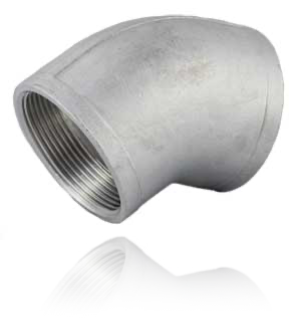
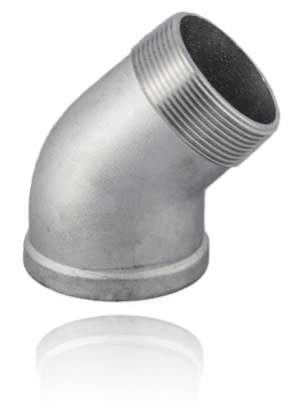
Elbows change the direction of pipes with a 90 or 45 degree bend. The use of elbows made of acid-resistant material is important in systems that work at high temperatures and with chemicals. Female-threaded and male-female-threaded versions exist.
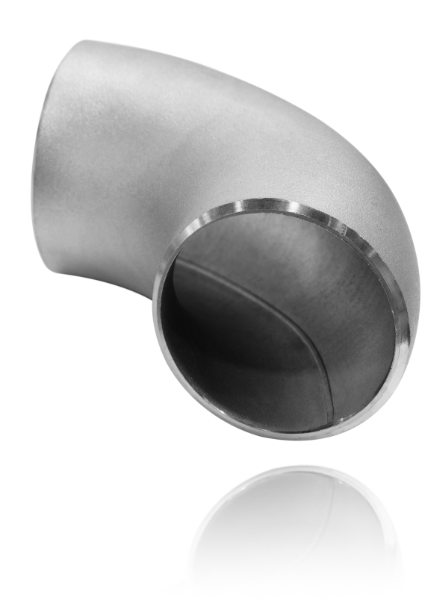
NONOX press bends
Press bends are weldable elbows of a special curvature with which a change of pipe direction can be solved with uniform appearance and functionality. Acid-resistant steel press bends retain their mechanical properties in the long term. The use of press bends contributes to the flexibility of the pipeline, which is useful in systems that do not have to be broken open often but where minor vibrations may occur.
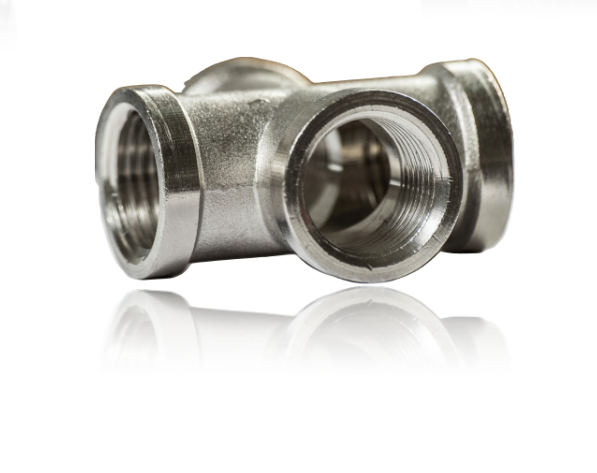
NONOX three-way and four-way branch fittings
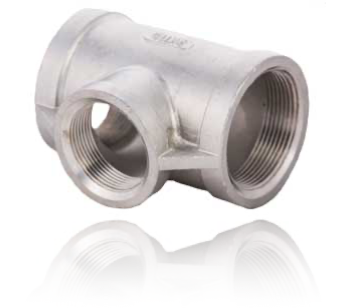
Three-way (T-branch) and four-way boltable branch fittings (X-branch) are fittings that make it possible to distribute the flow in several directions. These fittings are useful when a pipe system divides into several branches.
NONOX reducers
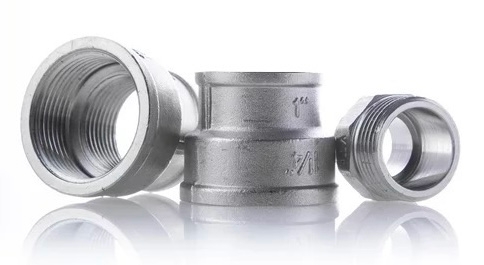
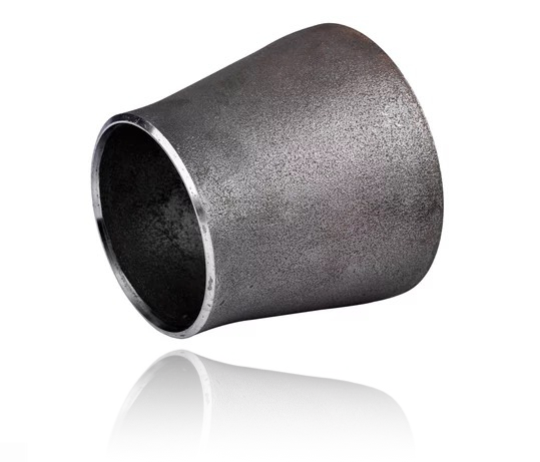
Reducers bring about the reduction / enlargement of the pipe diameter without the continuity of the flow being interrupted. They are often applied in systems where a varying flow rate or pressure is needed. Weldable and boltable NONOX reducers exist, in various size ranges.
NONOX austenitic acid-resistant reducers resist pressure and corrosion excellently, especially in acidic environments that could quickly damage other materials.
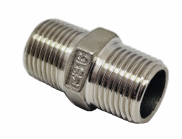
NONOX hexagonal nipples
The threaded hexagonal nipple serves for the simple connection of two male-threaded pipe sections. Thanks to its hexagonal head it is easy to install with a tool too. It is made of acid-resistant steel, so it resists corrosion and chemical effects excellently. It is a basic element in industrial pipe systems where a reliable, durable joint is needed.
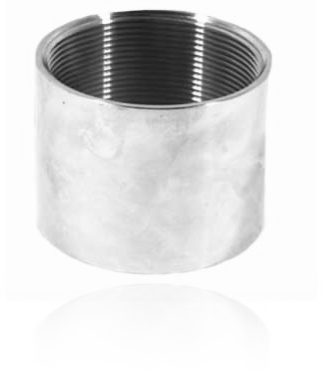
NONOX sockets
Sockets belong among the pipe fittings, and their main function is to fix two pipes to one another, to connect them. Sockets made of acid-resistant steel are indispensable in systems in contact with chemicals or high temperatures, where acid-resistant pipes have to be extended along a straight section.
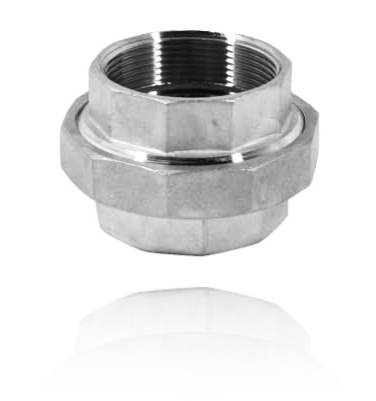
NONOX unions
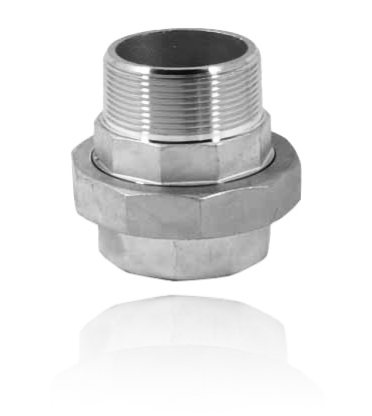
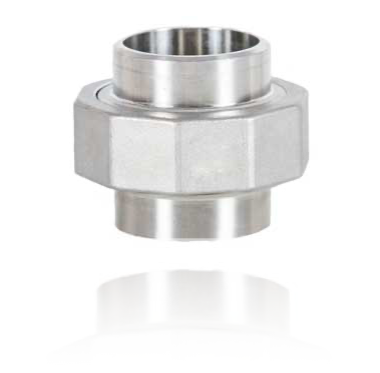
Unions are pipe fittings that offer a solution for the quick connection and separation of pipes without the whole system being dismantled. Male-threaded, female-threaded and male-female-threaded versions exist, as well as weldable ones. In the industries listed above they are used mainly in an acid-resistant design, since these materials resist aggressive substances well and make the system quick to install, especially in systems that require maintenance.
NONOX hose ends
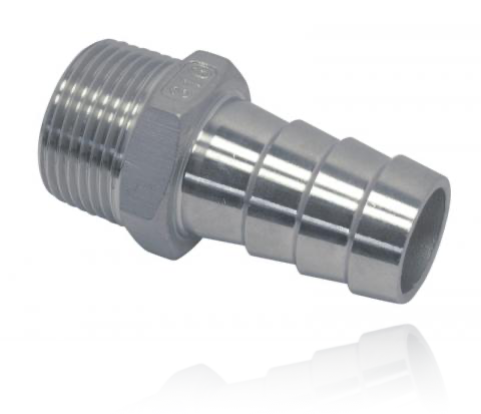
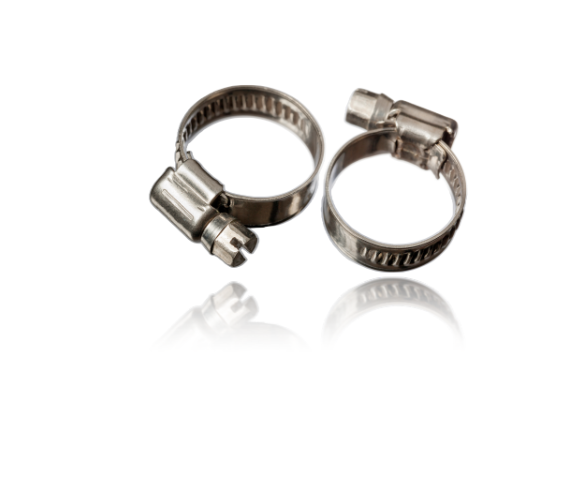
Hose ends serve for connecting pipes and flexible hoses. For the proper closure of the hoses it is advisable to use NONOX hose clamps of adjustable diameter. 1-3 hose clamps ensure the stable position of the hose, free from displacement.
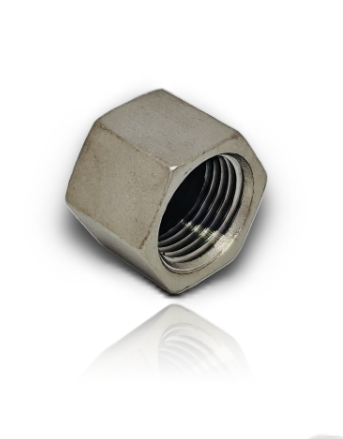
NONOX closing elements
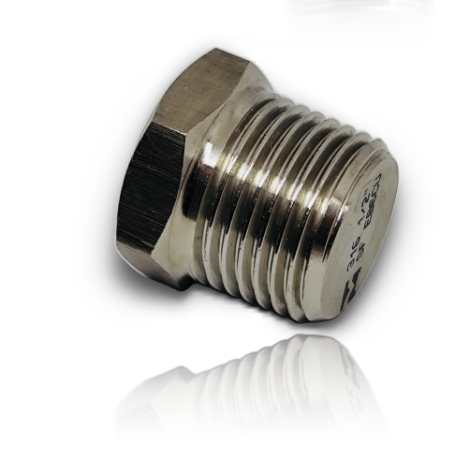
Free-standing pipe ends intended for later continuation, or for the periodic diversion of the flow, must be closed off when not in use. Closing elements are meant for this purpose, of which we present 2 kinds of threaded version here.
NONOX threaded pipe ends
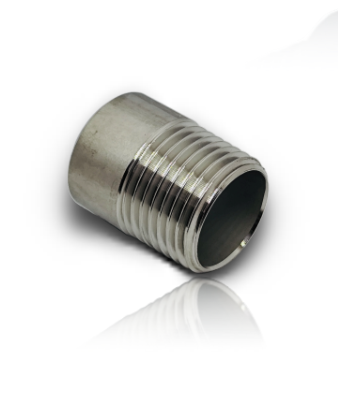
A prefabricated threaded pipe end for subsequent forming or conversion. Where it can easily be done, a thread can of course be cut on the original pipe end too, but the subsequent conversion of completed systems, or perfect dimensioning, may require a ready-made threaded pipe end to be welded on, ensuring that the element to be connected by thread ends up exactly where it should, and that it can easily be started onto the receiving threaded spigot.
NONOX flanges
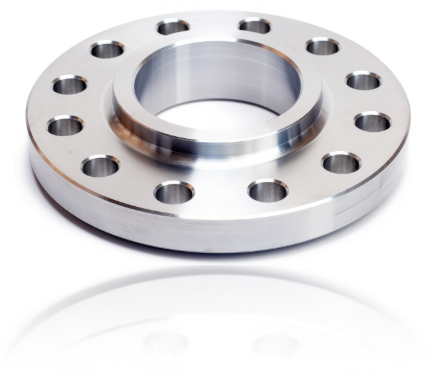
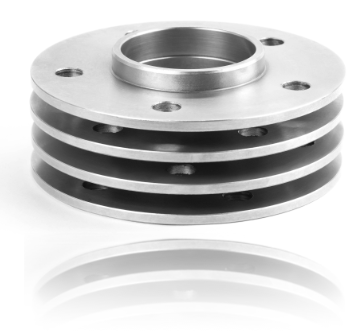
Key elements of pipeline systems are the flanges, which make possible the stable or flexible but releasable connection of pipes and other components, with screws whose material, geometry and dimensioning are matched to their material and to the conditions of use. The following types, among others, belong to the flange group:
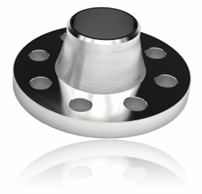
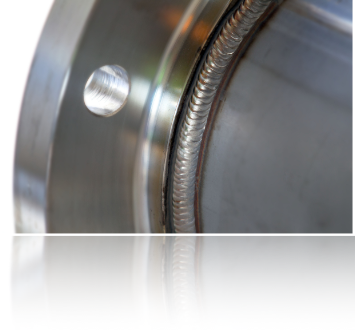
1. Weldable flanges
- They provide a durable joint, since they are welded directly to the pipe ends.
- They are typically used in high-pressure systems, for example in industrial or energy installations.
- Its typical versions: welding-neck, socket and slip-on flanges.
2. Cone-sealing flanges
- Thanks to their special design the seal closes on cone-shaped surfaces, which ensures reliable freedom from leaks.
- They are applied mainly in systems where dismountability is of key importance.
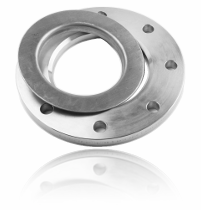
3. Loose flanges
- It generally consists of 2 parts: an adapter ring and a freely moving flange, which makes installation and fitting easier.
- It is particularly suitable for applications where frequent dismantling is needed, for example during maintenance.
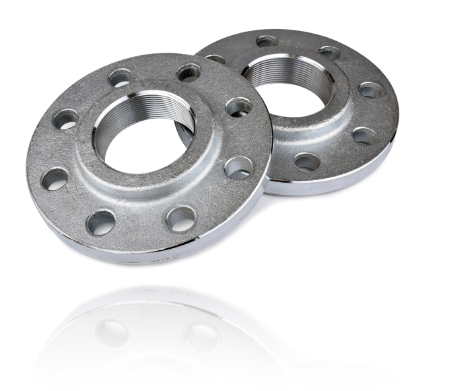
4. Threaded flanges
- Threaded flanges provide easy installation, which is why they are often used in systems where quick dismantling is needed.
NONOX stainless and acid-resistant Kamlok quick couplings
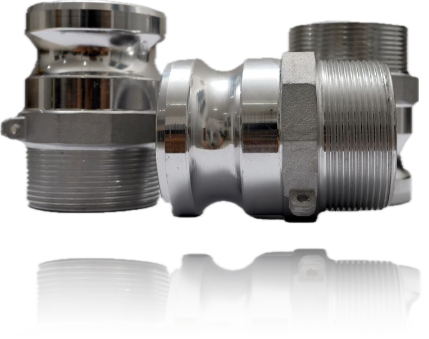
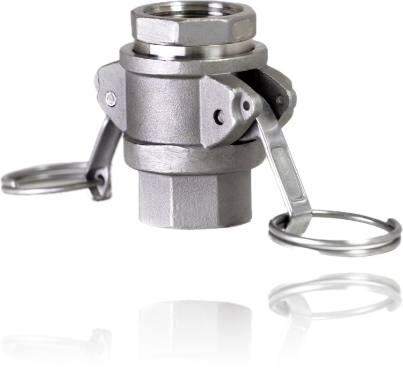
Kamlok couplings work as a quick-coupling system, permitting quick connection or disconnection without tools being needed. Kamlok couplings made of NONOX A2 or A4 base material – that is, stainless or acid-resistant – can be used widely in chemical and food-industry systems, since they ensure freedom from leaks and corrosion resistance at one and the same time.
Thread types in NONOX pipe joints
In forming pipe joints the following thread types are the most widespread:
1. BSP (British Standard Pipe) threads:
- The standard thread type used mostly in water and gas installation.
- It is characterised by a tapered or parallel design, which ensures freedom from leaks with a seal.
2. NPT (National Pipe Thread) threads
- The American-standard tapered thread type, which serves for connecting pipelines.
- It is applied mainly in an industrial environment and for gas pipelines.
3. Metric (ISO) threads
- A standard, metric thread type widespread in Europe, used for various pipe applications.
- It is used mainly in the food industry and in general mechanical engineering, in lower-pressure systems.
4. G threads
- Parallel threads applied on liquid and gas lines, typically combined with a sealing ring.
Acid-resistant pipe fittings are of fundamental importance in various fields of industry, especially in applications where the systems come into contact with chemicals, acids or high temperatures. The base materials mentioned in the article provide excellent corrosion resistance and a long service life, making them ideal for manufacturing these fittings. From ball valves through to hose ends, every type has its own unique function, and all of them contribute to the efficient operation of pipe systems.
These pipe fittings can be found in Menet-Trend’s range, so if you use such items, get in touch with us on +361-453-7060, or at the info@menet-trend.hu email address! We have been the stable suppliers of industry for more than 30 years – you can rely on us!
Did you find the article useful? Read our posts on similar topics too:
Leave a Reply