
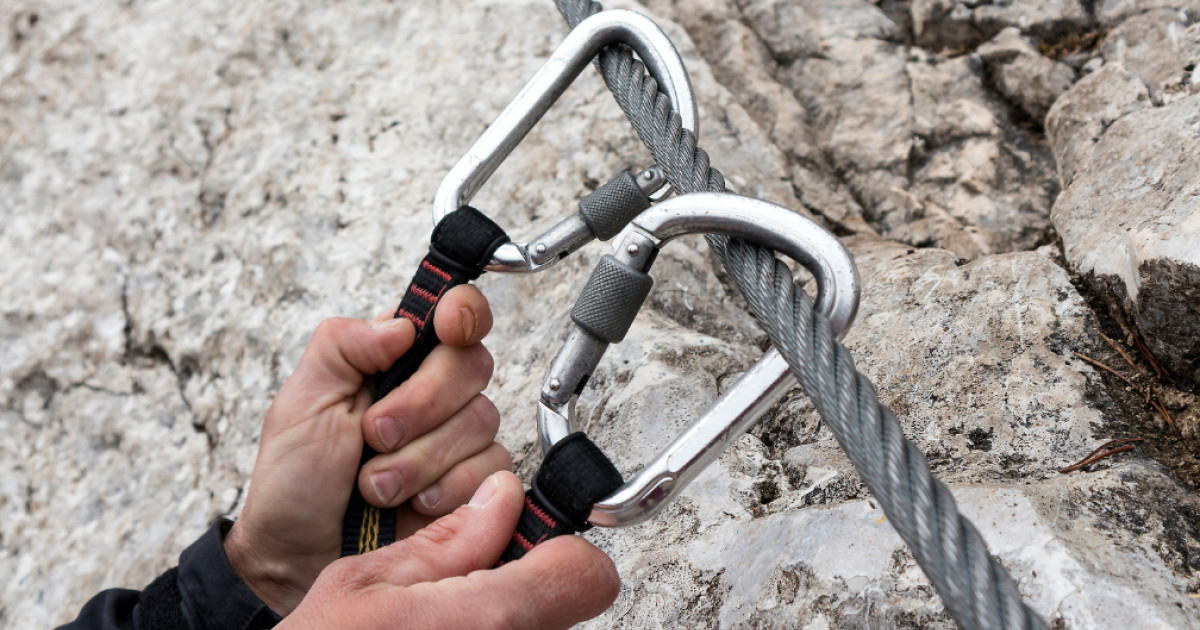
Carabiners are metal hooks or clasps for quickly securing ropes, webbing, wire ropes and chains, used in climbing, industrial work, sailing and other activities where a secure — yet quickly made and just as quickly released — attachment matters. Below we set out the most important things to know about them:
Material and types
Material: Carabiners are generally made of a light but strong metal, for example aluminium or steel. Aluminium carabiners are lighter, so they are often used in climbing, while steel carabiners are stronger, so they are more suitable for industrial use. The most common materials used in everyday life are the following:
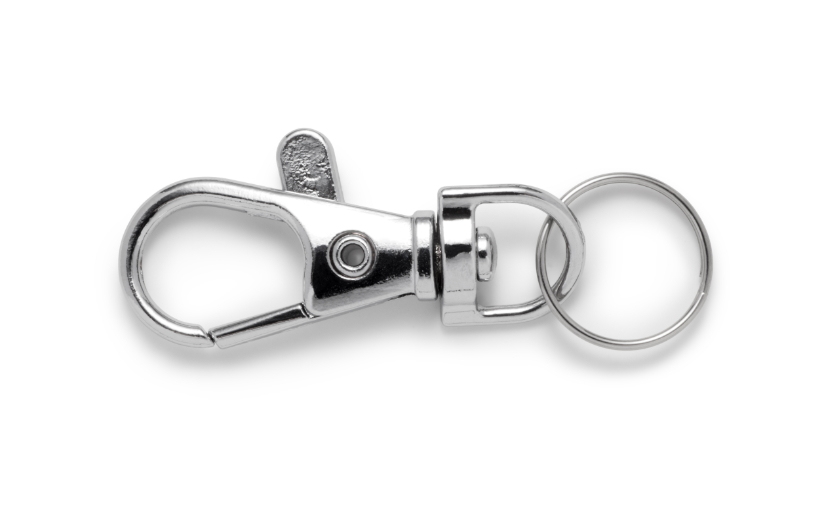
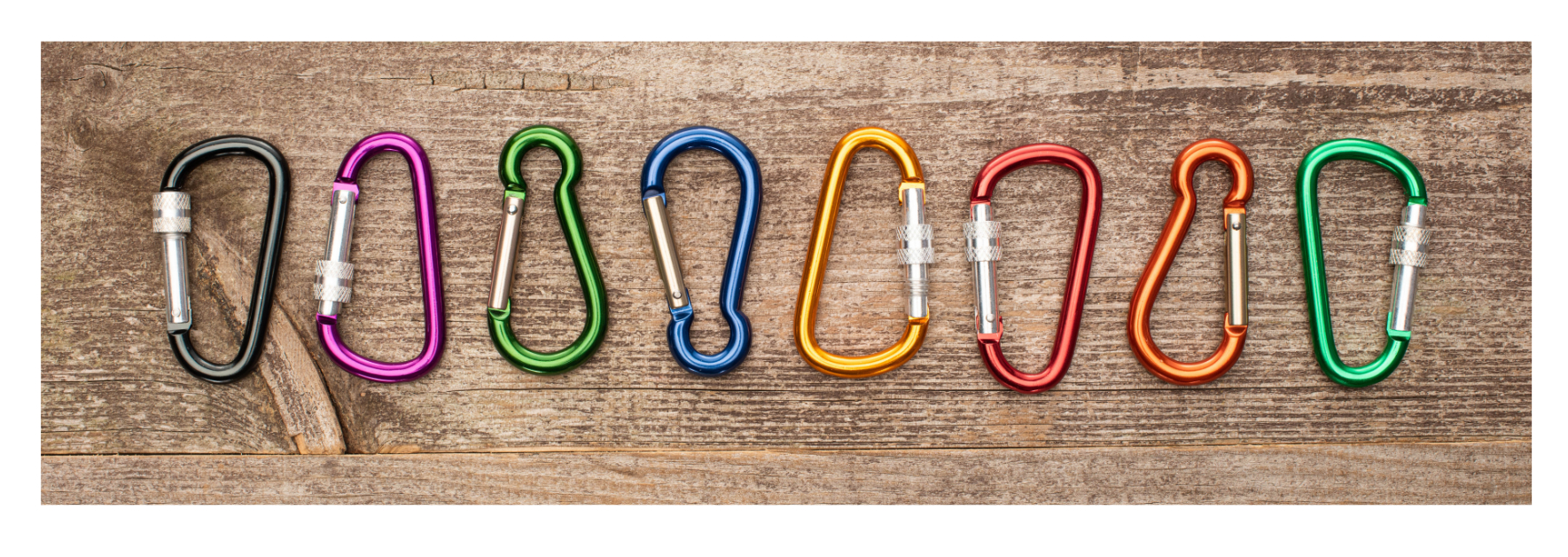
Types: Shackles, carabiners and their relatives are not standardised in the same way as, for example, screws, so they appear on the market in constantly changing shapes and sizes, ever stronger and ever better suited to their intended tasks. Among the most common types are the “D”, the oval, and the HMS (also known as “pear-shaped”) carabiners.
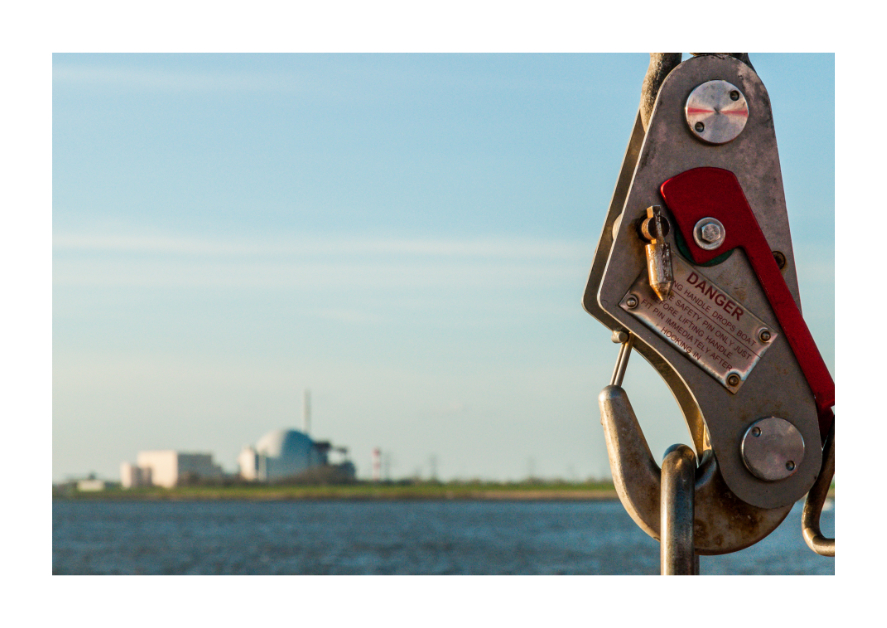
In terms of size, the smallest are found on jewellery and costume jewellery, and the largest on cranes.
Locking mechanisms
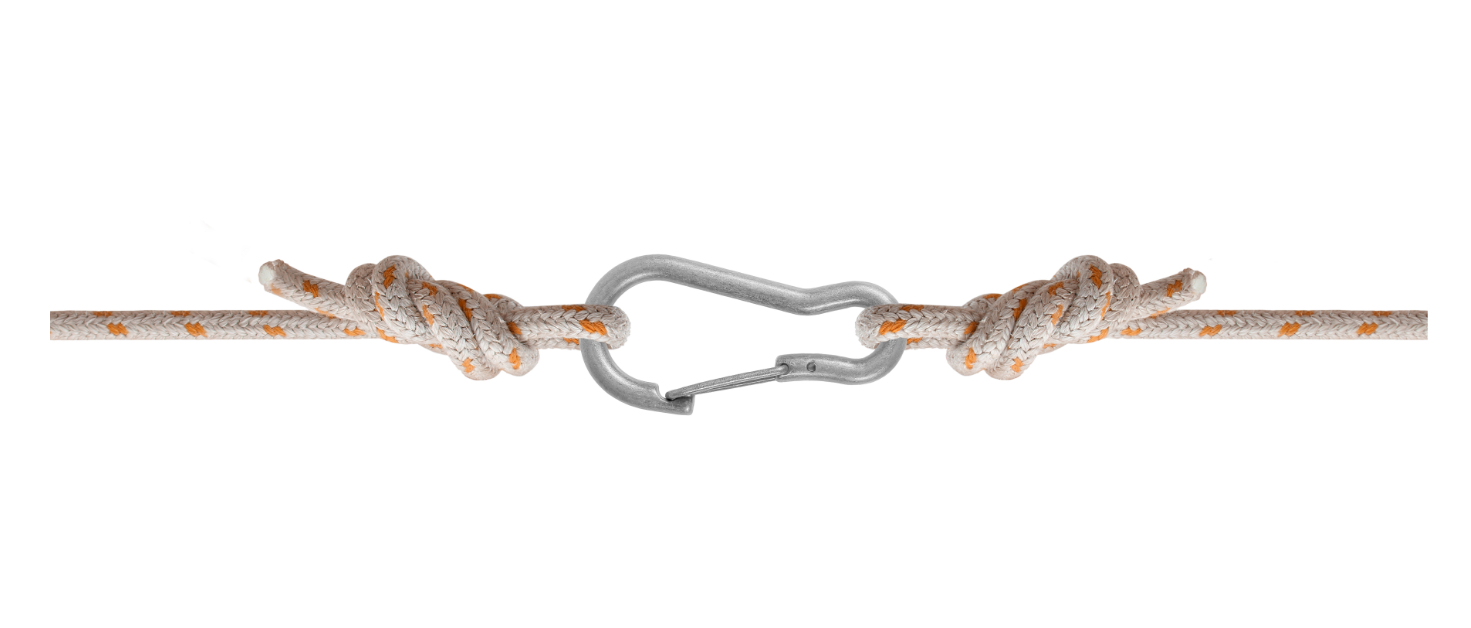
Non-locking carabiners: They have a simple, sprung gate that opens and closes easily. They are suitable for quick attachment, but provide no extra safety. They are for dog leads, key rings, bottle loops, rucksacks, tents and so on, where the lack of a lock is no obstacle;
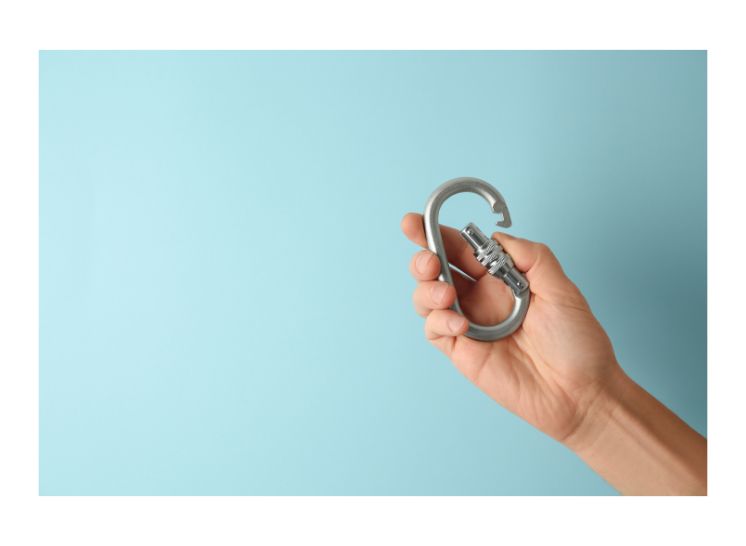
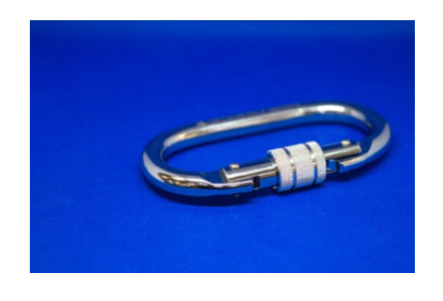
Screw-lock carabiners: The gate is locked by a screw mechanism, which prevents accidental opening;
Auto-locking carabiners: These lock automatically when the gate closes, so they provide greater safety without the user having to secure the lock manually.
It is generally characteristic of carabiners that the gate moves freely inwards, which is why it can be clipped quickly onto an object — typically an eye, a wire rope, a chain and so on — yet it does not open outwards even if the secured object presses on the gate from the inside, since release happens in the same way as clipping in, by pushing the gate in, and not by moving it in the opposite direction.
Load capacity
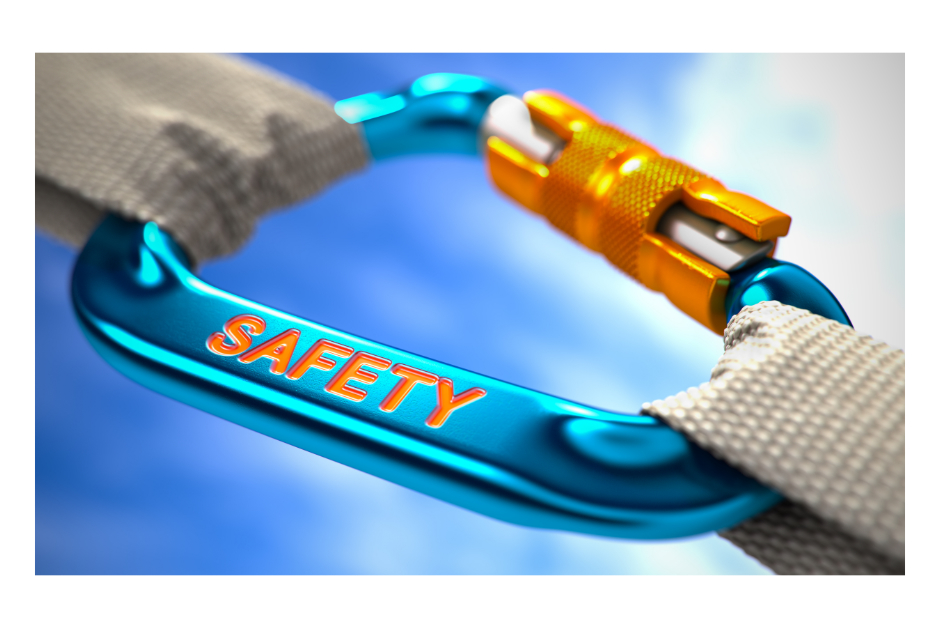
The load capacity of carabiners is generally given in three directions: longitudinal load, transverse load and open-gate load. The longitudinal load is the highest, since this is the best-supported direction.
On carabiners the load capacity values are given in kilonewtons (kN). The load capacity of a typical climbing carabiner is around 20-30 kN in the longitudinal direction.
Use
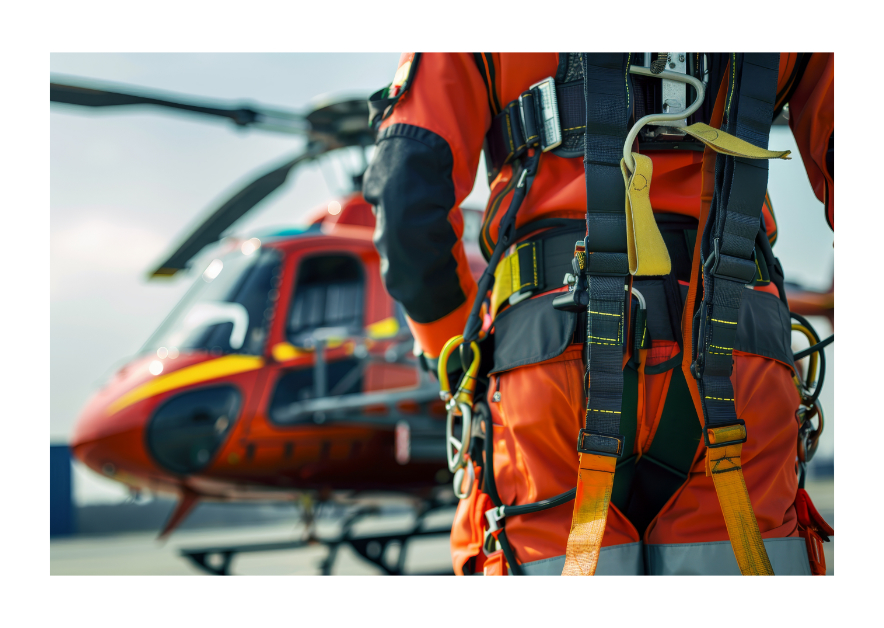
Maintenance of carabiners
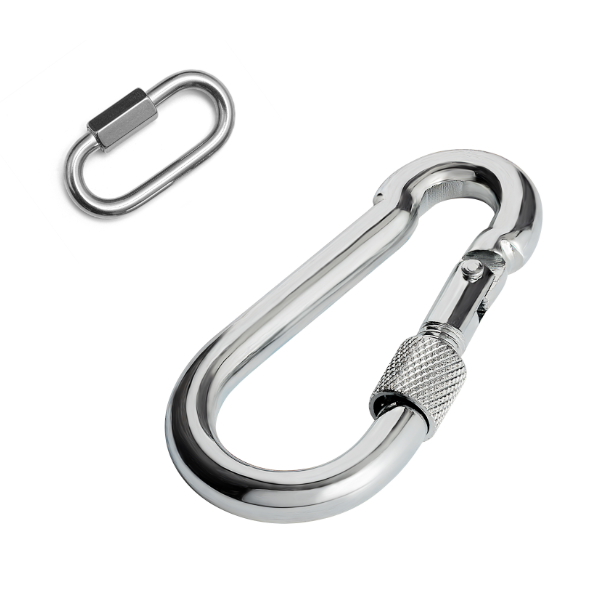
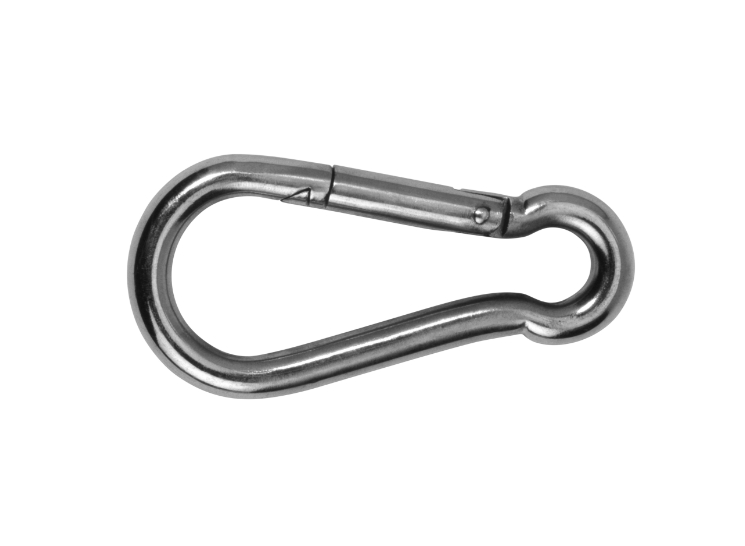
Regular inspection and maintenance of carabiners is important, especially if they are exposed to heavy loads. A visual check and a test before use can save lives, since carabiners too grow tired, wear out and sooner or later give up. Often it is the pin holding the gate that is exposed to the greatest stress, and it is the thinnest and most fragile part of the carabiner. Fortunately the longitudinal load does not act on it, only the many openings and closings. Derusting and cleaning carabiners, and checking the locking mechanisms, is advisable in every case, so as to ensure long service life and safety.
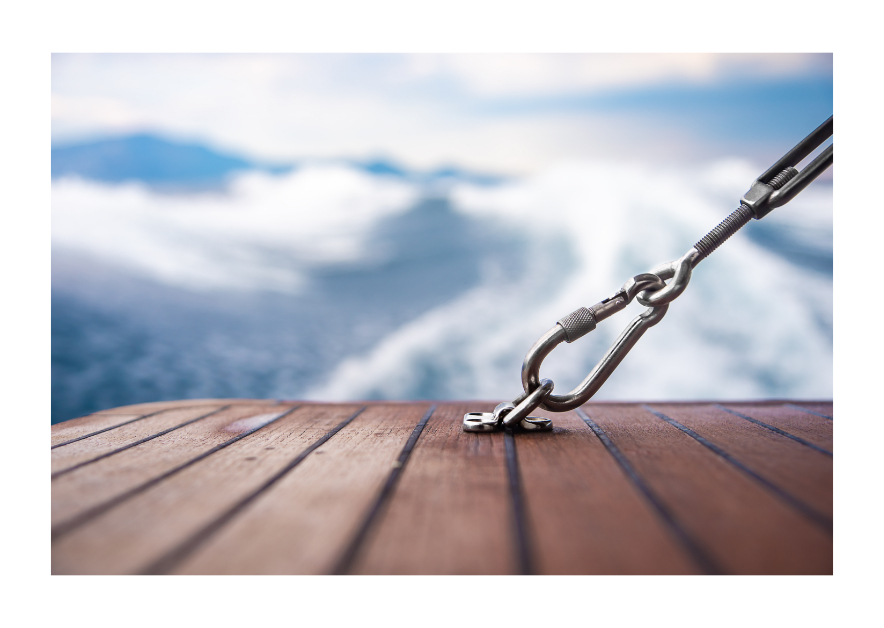
Carabiners are basic tools for secure attachment and belaying, and their proper use is essential in climbing, industrial work and other activities. Menet-Trend Kft. offers NONOX stainless and acid-resistant versions, primarily for sailing boats and industrial use.



Leave a Reply