
NONOX acid-resistant chains are popular in industrial and construction applications not only for their outstanding durability and corrosion resistance: thanks to their attractive appearance they also serve as excellent accessories in interior architecture.
Applications and types
What is a chain, and what is it for?
Chains are old, reliable tools, developed by humankind for lifting loads, securing and pulling.
Chains consist essentially of interconnected links, which allow forces to be distributed evenly, whether under static load or dynamic stress. Depending on their material and design they can be used extremely widely, from simple everyday tasks all the way to industrial and technological systems.
The length of the links is measured by the so-called link pitch, which denotes the distance from the inner edge of one link to the inner edge of the next. This value determines the chain’s load capacity and flexibility, which is key for the various fields of application.
Types of chain: short-link and long-link chains, plus special versions. Chains are generally grouped by the size and design of their links, which suit different purposes:
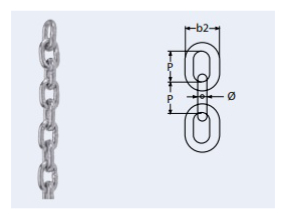
1. Short-link chains (DIN766):
- They consist of more densely spaced links, which can bear a greater load.
- Their advantage is minimal elongation and high tensile strength, so they are ideal for heavy lifting and securing tasks, for example with cranes or goods hoists.
View our short-link chain range and order it in our online shop
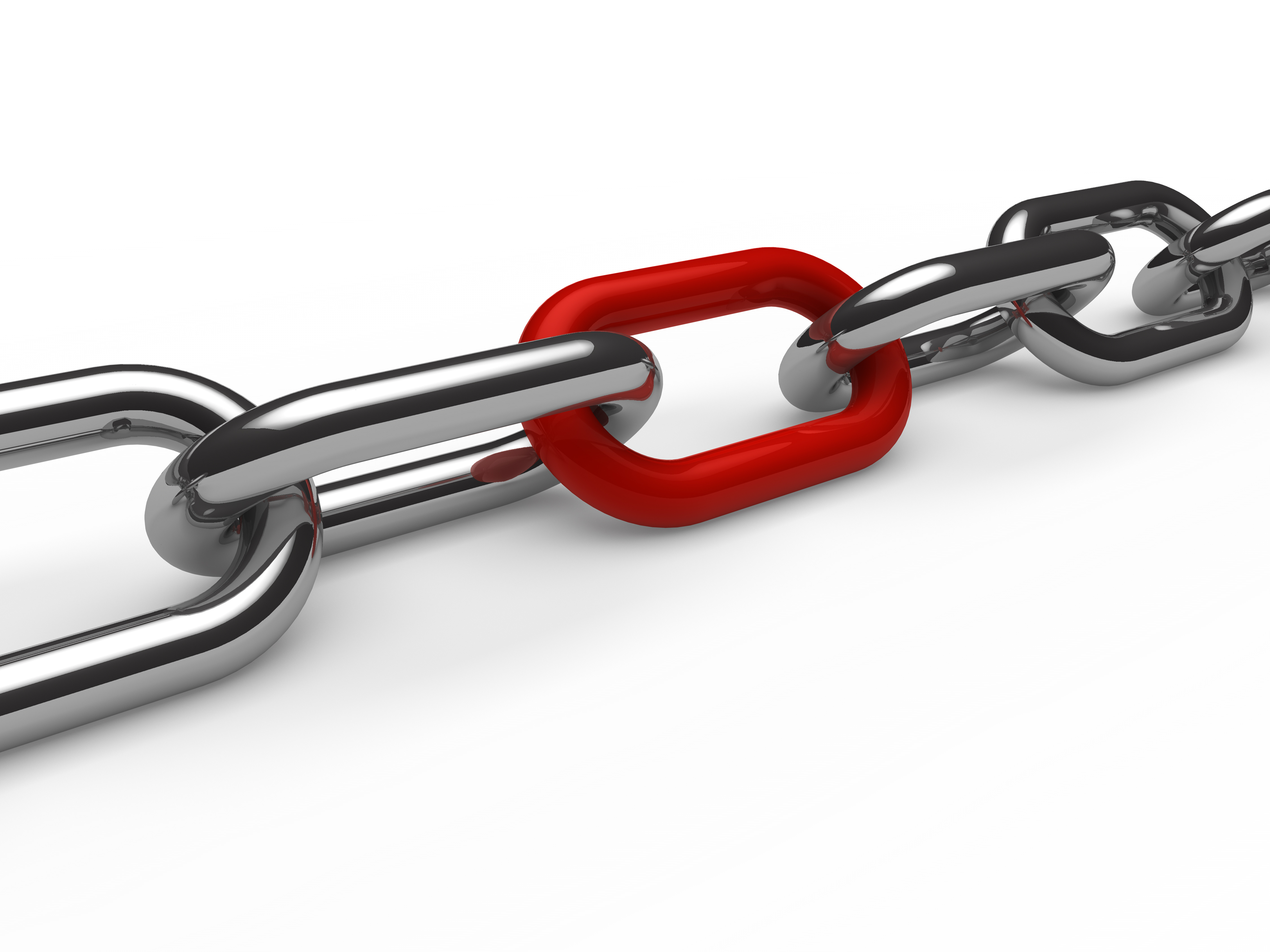
2. Long-link chains (DIN763):
- They consist of more widely spaced links, suited to lighter applications that need more space.
- These are often used for decorative purposes or in places where the chain’s maximum load capacity is not needed, for example in the construction of fences or decorative elements.
View our short-link chain range and order it in our online shop
NONOX acid-resistant chain types:
- Acid-resistant NONOX chains specifically for corrosive environments, perfect for marine applications, chemical industry systems, or even food industry equipment.
- There are lifting and securing chains, made to separate standards, ensuring the requirements of the given industry.
Further chain types available:
- Twisted chain
- Knotted chain
- Ball chain
Because of the diversity of chain types and possible uses, it is important always to choose the type most suited to the given task and environment. This not only guarantees safety and efficiency, but also ensures a longer service life for the chain.
For further useful information, read our other articles:
Using chains, joining chains What you need to know about chains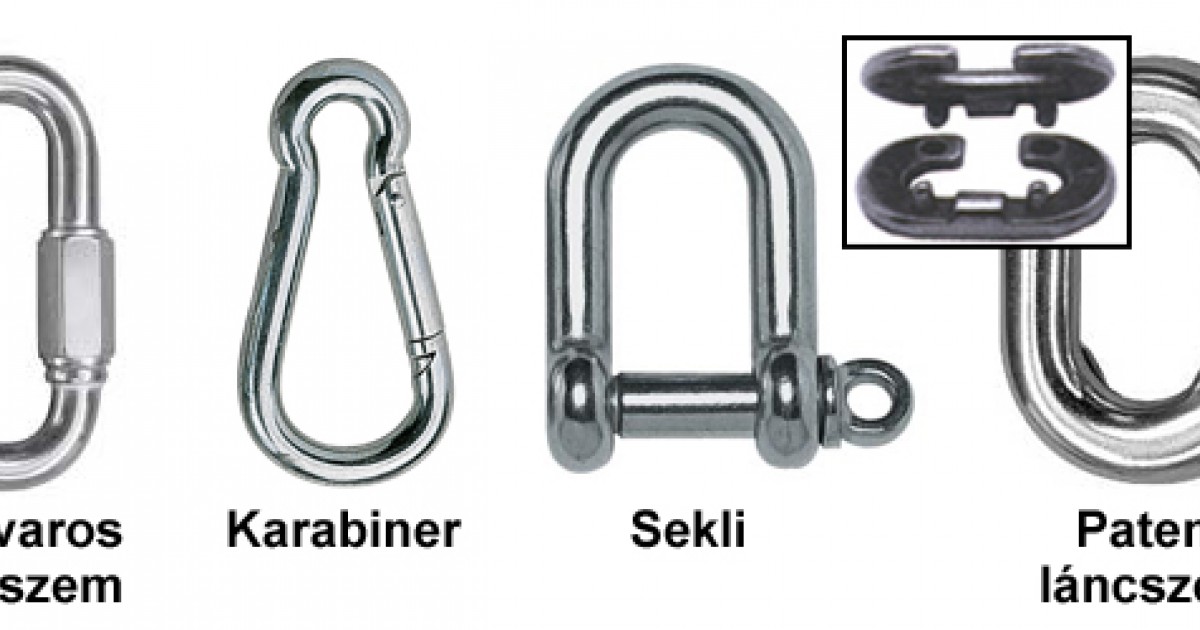
Leave a Reply